Founder-Led Microbrand Watches: 3 Traits, Better Specs, Resale Risk
A microbrand watch is a founder-led, small-scale watch company that designs its own pieces and sells directly to customers, typically outsourcing parts and assembly to third-party manufacturers. The trade-off is straightforward: you get sharper design and better specs per dollar than mainstream brands charge, but you give up the global service network and predictable resale value that big-name watchmakers offer. The rest comes down to knowing what to check before you buy.
TL;DR:
- Microbrands typically use well-known third-party movements like Seiko NH35, Miyota 9015, or Sellita SW200, which are easy to service and replace.
- They often offer better materials, such as sapphire crystals and Swiss movements, at a lower price point due to direct sales and outsourcing.
- Service and repair options are limited to one or few overseas workshops, which can increase wait times and complicate warranty repairs.
- Resale value for microbrand watches generally remains below 70% of original retail price, unless from highly recognized or long-established brands.
- Buyers should carefully verify movement type, specs, warranty terms, and brand reputation before purchasing to avoid common misconceptions.
Table of Contents
- What Makes a Watch a Microbrand, Exactly?
- Where Did Microbrand Watches Come From?
- The Real Advantages of Buying a Microbrand
- What You Give Up When You Buy One
- How to Evaluate a Microbrand Before You Buy
- Misconceptions That Trip Up New Buyers
- Where Wynwoodblvd Fits the Microbrand Profile
- When a Microbrand Makes Sense (and When It Doesn’t)
- Get a Design That Actually Has a Story Behind It
- Sources
- FAQ
What Makes a Watch a Microbrand, Exactly?
Three traits separate a genuine microbrand from a mass-market label wearing a small logo. First, independent ownership: no parent conglomerate, no private equity roll-up, just a founder or small team making the calls. Second, a direct-to-consumer sales model, meaning no department store markup and no wholesale middleman eating into the price. Third, small operational scale, usually a handful of employees running design, marketing, and customer service out of the same inbox.
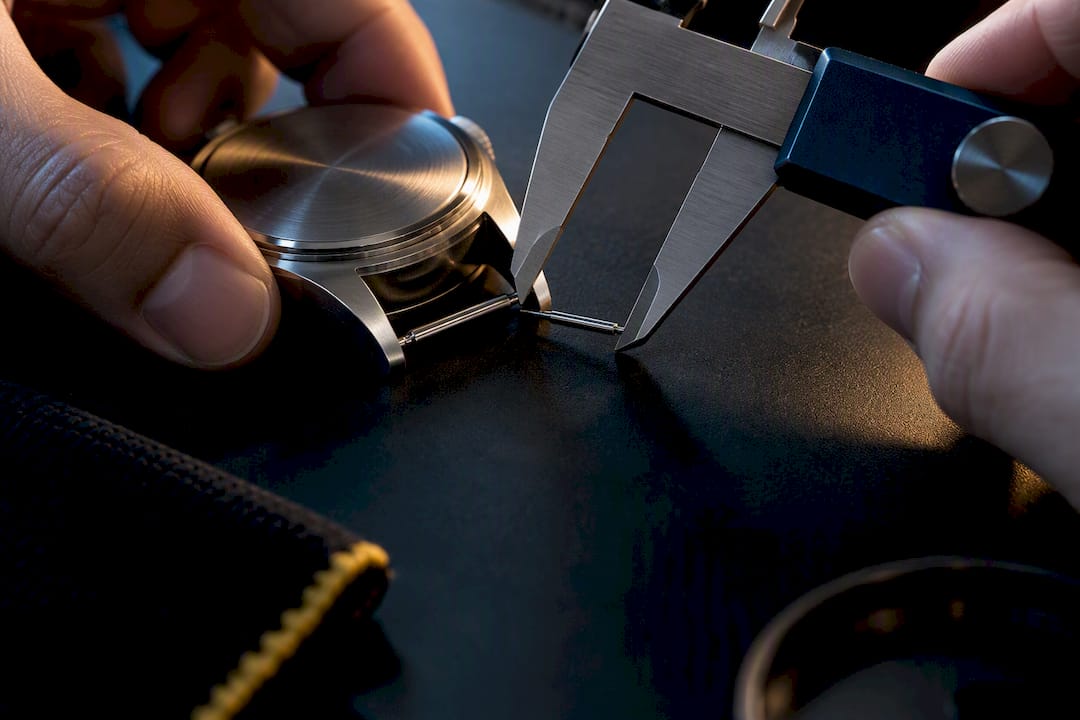
That structure changes how a watch gets built. Most microbrands don’t manufacture their own movements. They buy proven, mass-produced calibers and build a case, dial, and identity around them. Microbrand watches typically outsource production while selling direct to consumers, which keeps overhead low and lets a two-person team compete on design without needing a factory.
The movements themselves come from a short list of trusted suppliers:
- Seiko NH35: a workhorse automatic caliber known for durability and easy servicing.
- Miyota 9015: a thinner, higher-beat automatic favored for dressier designs.
- Sellita SW200: a Swiss-made automatic often positioned as a step above the Japanese options.
Because a microbrand isn’t paying for retail distribution or brand heritage, it can put more of the retail price into materials and movement quality rather than marketing. That’s the entire value proposition in one sentence.
Where Did Microbrand Watches Come From?
The category has no single founding date, but its shape is clear enough. Independent watchmakers existed in small numbers through the 1990s, mostly selling through local dealers or word of mouth. The real shift started in the early 2000s and accelerated hard once two things arrived at the same time: crowdfunding platforms and easy e-commerce infrastructure.
Kickstarter campaigns in the 2010s let a designer with a sketch and a supplier contact raise the capital for a first production run without a bank loan or a boutique deal. Shopify and similar platforms made it possible to sell that watch straight to a global audience without ever touching a retail shelf. Crowdfunding and e-commerce fueled rapid growth in the category through that decade, and enthusiast forums and specialist watch media gave these brands an audience that mainstream advertising never could.
That growth created a spectrum, not a fixed category:
- Some brands stay small deliberately, running limited drops for a loyal following.
- Others scale into retail distribution, larger teams, and broader catalogs.
- A few “graduate” into recognized independent status while keeping the responsive, community-first habits that built their following in the first place.
The label is fluid on purpose. A brand’s DNA often survives its growth spurt.
The Real Advantages of Buying a Microbrand
The biggest advantage is spec-per-dollar, and it isn’t subtle once you start comparing prices side by side. A mainstream brand selling through retail has to fund showrooms, advertising campaigns, and distributor margins before a single dollar reaches the watch itself. A microbrand selling direct skips all of that.
- Better movements and materials at a given price. You’ll routinely find sapphire crystal, solid steel bracelets, and Swiss-made movements on a $400 microbrand watch where a mainstream brand at the same price might use mineral crystal and a quartz movement.
- Design freedom mainstream brands can’t match. A five-person team can greenlight a niche case shape or an unusual dial texture in a way a corporate design committee never will. Limited editions tied to a specific place, color story, or collaboration are common because there’s no bureaucracy slowing the decision down.
- Faster iteration based on real feedback. When a founder reads every customer email personally, a lug-to-lug complaint on version one can turn into a redesigned case on version two within a single production cycle.
- More size and variant options. Because production runs are smaller and more frequent, microbrands can test dial colors or case sizes that a bigger brand would consider too risky to commit factory capacity toward.
Founder-led brands and transparent spec sheets tend to signal a company that’s confident in what it’s selling, since there’s nowhere to hide behind a marketing department.
Pro Tip: When comparing two watches at the same price, check the movement caliber and crystal type first. A sapphire crystal with an unbranded automatic movement usually beats mineral glass on a brand-name quartz, even if the second option sounds more familiar.
What You Give Up When You Buy One
The service network is the first thing to shrink. A mainstream brand has authorized dealers and repair centers across dozens of countries. A microbrand often has one workshop, sometimes overseas, which means a warranty repair can mean shipping your watch internationally and waiting weeks instead of dropping it off locally.
Resale value follows a similar pattern. A common resale range for microbrand watches sits between 40% and 60% of the original retail price, and only a small number of established names hold 70% to 90% in limited cases. Compare that to a Swiss heritage brand that can hold or even gain value, and the gap is real. Retention improves when a brand has a longer track record, a recognizable design language, and genuine scarcity, not just a “limited edition” label slapped on a standard run.
Quality control varies more than buyers expect, too. A first production batch from a new brand is more likely to surface fit-and-finish issues than a brand’s fifth or sixth run, simply because the manufacturing kinks haven’t been worked out yet.
A few other risks worth flagging:
- Pre-order windows mean paying upfront and waiting three to six months for delivery, with shipping dates that sometimes slip.
- Limited drops can sell out before quality feedback from an early batch even circulates.
- A brand’s return policy matters more here than with a mainstream retailer, since there’s no store to walk into if something’s wrong.
None of this makes microbrands a bad bet. It just means the ownership experience carries different risks than a mall jeweler purchase, and you should weigh them going in.
How to Evaluate a Microbrand Before You Buy
Run through this sequence before adding anything to your cart:
- Identify the movement family. Look for a named caliber like the Seiko NH35, Miyota 9015, or Sellita SW200 rather than a vague “automatic movement” description. Documented, common movements mean easier future servicing.
- Check the core specs against the price. Sapphire crystal, stated water resistance, and lug-to-lug measurement should all be listed clearly. If a listing is vague on any of these, treat that as a caution flag.
- Read the warranty and return terms in full. A brand confident in its build quality states its warranty length and return window plainly, without burying it in a policy page nobody reads.
- Search for independent hands-on coverage. Forum threads, enthusiast reviews, and past production updates tell you whether the brand ships on time and handles problems well.
- Match the purchase to your use case. A daily-wear buyer should prioritize serviceability and comfort; a collector chasing a specific design can tolerate more pre-order patience.
Buyers planning to wear a watch daily should prioritize movement serviceability over short-term savings, since a watch you can’t get repaired locally becomes a drawer piece the first time it needs work.
| Evaluation criterion | What to look for |
|---|---|
| Price/spec value | Named movement, sapphire crystal, and materials that match or exceed the price point |
| Movement type and serviceability | Common calibers (NH35, 9015, SW200) with local watchmaker support |
| Warranty and return policy | Clear warranty length, stated return window, documented process |
| Production run and availability | In-stock vs. pre-order, past shipping track record, batch history |
| Design uniqueness / niche fit | A distinct visual identity tied to a real story, not a generic template |
A brand’s overall market presence is worth a quick check too. Recognizable naming, consistent branding across its site and social channels, and clear brand recognition signals usually correlate with a company that plans to stick around long enough to honor its warranty. For a broader walkthrough of use-case-first buying decisions, Wynwoodblvd’s own watch buying guide covers the same checklist in more depth.
Misconceptions That Trip Up New Buyers
The most common mistake is confusing a fashion-label watch with a horological microbrand. A fashion brand slapping its name on a generic quartz movement, made purely for margin, is not the same category as a small watchmaking company that engineers its own case design around a documented automatic caliber. The difference between independent watch brands and fashion labels comes down to intend and specs, not just price.
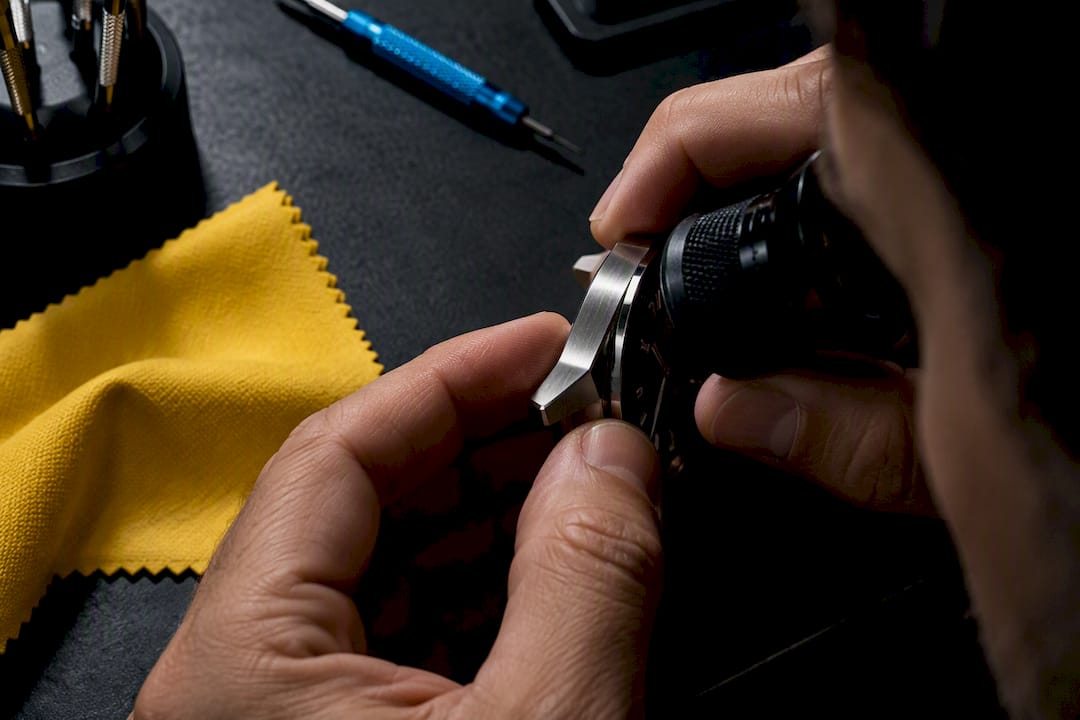
Another misconception: “assembled” doesn’t mean “poorly made.” Many microbrands use the same supplier ecosystem as far larger companies, since assembly location doesn’t determine quality on its own. What actually matters is QC tolerance, inspection standards, and how a brand handles defects after the sale.
- Fashion-label watch ≠ microbrand watch.
- Outsourced assembly ≠ low quality.
- Small team ≠ unreliable brand, if warranty terms are clear.
The stigma around microbrands being lower quality is largely outdated; the scene’s design ingenuity is precisely what draws collectors in.
Where Wynwoodblvd Fits the Microbrand Profile
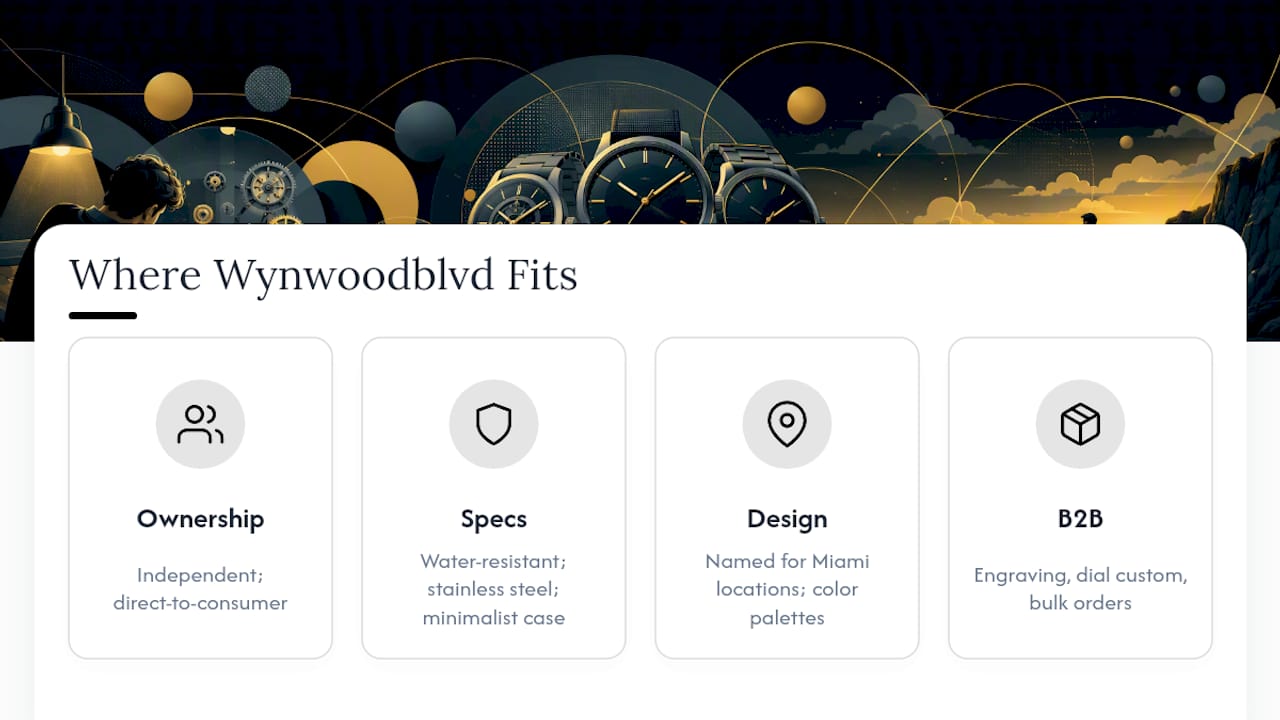
Wynwoodblvd checks every structural box that defines a genuine microbrand: independently owned, sold direct-to-consumer, and built around a clear design identity rather than a licensing deal. The brand’s stainless steel automatic watches take their names and color palettes from real Miami and coastal locations, which gives each collection a story instead of a generic product number.
That design-forward approach shows up in the specs, too. Each watch is built around water resistance, premium stainless steel construction, and minimalist case architecture, the same combination the evaluation checklist above tells you to look for.
Wynwoodblvd also runs a B2B side that few microbrands offer: corporate custom watch programs with logo engraving, dial customization, and bulk ordering for hotels, agencies, and real estate brands looking for gifts that don’t feel like standard swag. For readers weighing design-forward pieces against sizing and proportion, the brand’s minimalist automatic watch picks walk through those considerations directly.
When a Microbrand Makes Sense (and When It Doesn’t)
Microbrands earn their price when style and story matter more than global service coverage. Gift buying, personal daily wear, and corporate branding projects all fit that description well. If resale value or having a repair shop in every major city is your priority, a heritage brand with an established dealer network is the safer call.
My honest read: buyers overthink resale risk on a watch they plan to wear for a decade, and underthink whether they’ll actually love looking at the dial every morning. Try one DTC brand directly, or request a custom quote if you’re buying for a team or event.
— Mathias
Get a Design That Actually Has a Story Behind It
Wynwoodblvd gives you the microbrand advantages this article just walked through, without the guesswork of vetting an unfamiliar startup. Every piece is designed in-house and named after a real place, so you’re not paying a markup for a brand story invented after the fact.
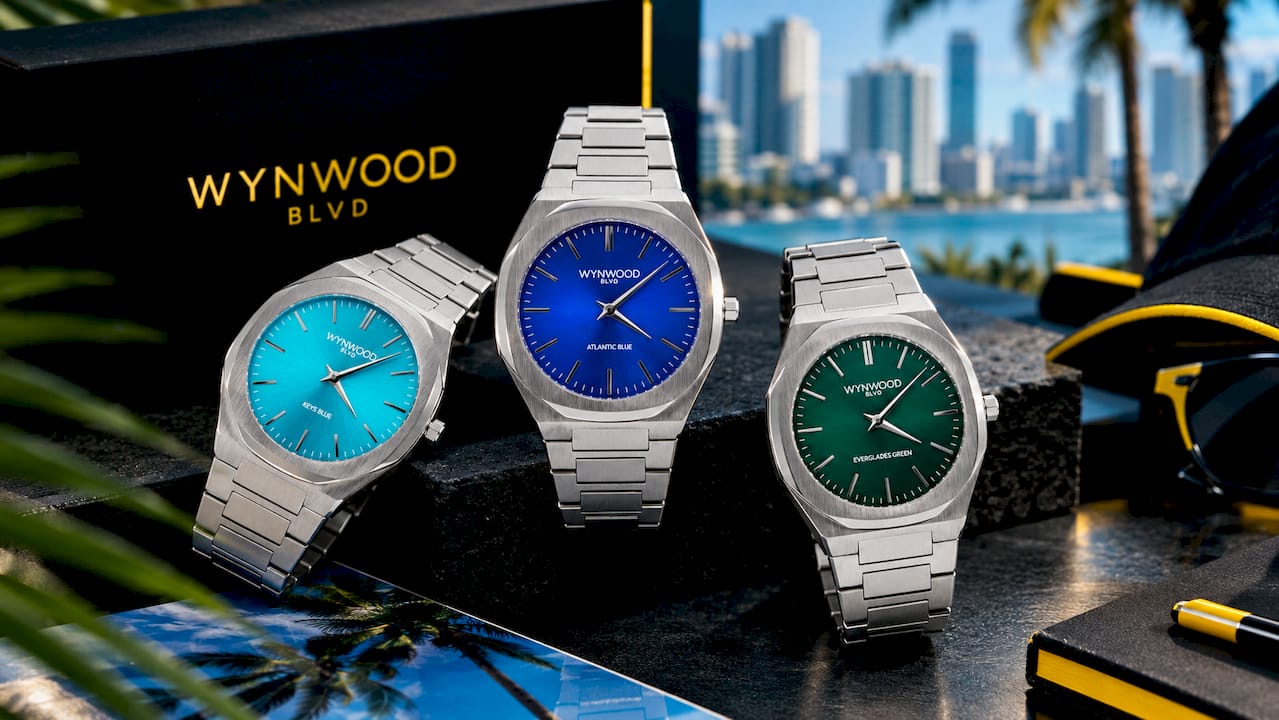
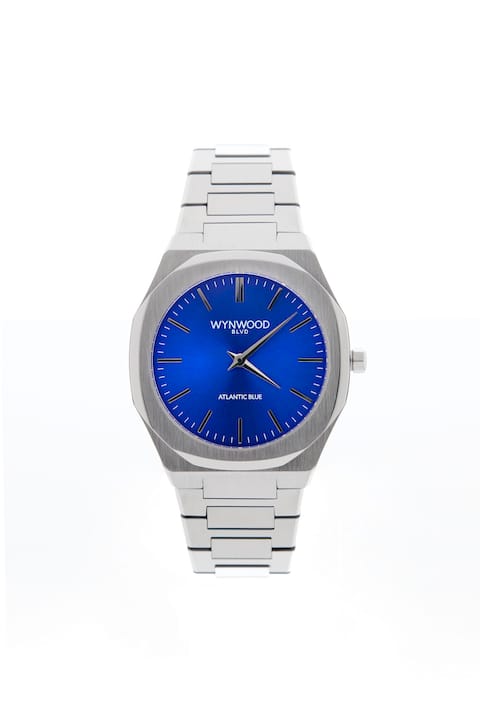
The Keys Blue Miami Inspired Watch pairs a bold dial color with the stainless steel automatic build the checklist above calls for, while the Atlantic Blue Stainless Steel Automatic Watch leans into a calmer coastal palette on the same spec foundation. The Everglades Green Miami Inspired Watch rounds out the lineup with a deeper, nature-inspired tone for buyers who want something less common on a wrist. Browse the full Miami Inspired Watches collection to compare dial colors and case details side by side, or check the charms collection if you’re building out a matching set. Businesses looking for branded gifts can start a corporate custom watch order today and get logo and packaging options quoted directly.
Sources
For readers who want to go deeper than this explainer, a few sources are worth bookmarking. The New York Times has covered the category’s cultural rise, including how microbrands are becoming macro businesses and the energy and ingenuity driving the scene. Microbrand Watch World’s definitive guide and lug2lug’s buyer-focused breakdown both go deeper into spec comparisons than space allows here. For Wynwoodblvd’s own material, the custom logo watches guide covers corporate ordering in detail.
- Microbrand watches — Wikipedia
- What Is a Microbrand Watch? The Definitive Guide - Microbrand Watch World
- Watch Microbrands Verge on Becoming Macro Watch Businesses - The New York Times
- What is a microbrand watch — lug2lug
FAQ
What Is a Microbrand Watch?
A microbrand watch is a timepiece from a small, independently owned company that designs its own watches and sells them directly to customers, usually outsourcing parts and assembly. This structure lets microbrands outsource production while keeping ownership independent, which is what separates them from mainstream retail brands.
Are Microbrand Watches Worth It?
They’re worth it if you value design and spec value over global service coverage and resale predictability. You typically get better materials and movements per dollar, but the trade-off is a smaller service network and less predictable resale value compared to heritage brands.
What Movements Do Microbrand Watches Use?
Most microbrands build around proven third-party automatic movements rather than making their own. The Seiko NH35, Miyota 9015, and Sellita SW200 are the most common calibers you’ll see across the category.
Do Microbrand Watches Hold Their Resale Value?
Most don’t hold value as well as established heritage brands. Resale prices commonly land between 40% and 60% of retail, though a handful of well-established microbrands retain 70% to 90% in limited cases.
How Much Do Wynwoodblvd Watches Cost?
Current pricing for each model is listed directly on the Miami Inspired Watches collection page. Corporate custom orders are quoted individually through the B2B custom watch program.