316L Stainless Steel Watches: What Buyers Should Know
316L stainless steel is the watchmaking standard: corrosion-resistant, polishable, and the most practical case and bracelet material for most buyers. It is an austenitic alloy built around chromium, nickel, and molybdenum and it shows up in everything from dive watches to dress pieces because it survives daily wear without demanding special care.
That said, no steel is scratch-proof. 316L picks up marks like any metal, but its structure takes polishing well, so most surface damage is reversible rather than permanent. Nickel content can bother a small share of wearers with sensitive skin, which is worth flagging before you buy.
- Corrosion resistance: strong under normal conditions such as sweat and humidity
- Scratches: common, but polishable back to near-original finish
- Skin sensitivity: possible for nickel-reactive wearers, though rare
Wynwoodblvd builds its signature Miami-inspired collection in 316L for exactly these reasons: reliable everyday wear for commuters, professionals, and travelers who want a watch that holds up without babying.
Key Takeaways
316L stainless steel earns its place as the watchmaking standard because it balances corrosion resistance, machinability, and repairability better than any comparably priced alternative.
| Point | Details |
|---|---|
| 316L is the industry default | Its chromium, nickel, and molybdenum mix gives strong corrosion resistance and consistent machining across brands. |
| 904L is a marginal upgrade | Better corrosion resistance and polish exist, but the daily-wear difference is subtle for most owners. |
| Scratches are usually fixable | Polishing restores most surface damage; brushed finishes hide wear better than mirror-polished cases. |
| Construction matters more than alloy | Seals, bracelet fit, and finish quality affect long-term looks more than the grade stamped on the caseback. |
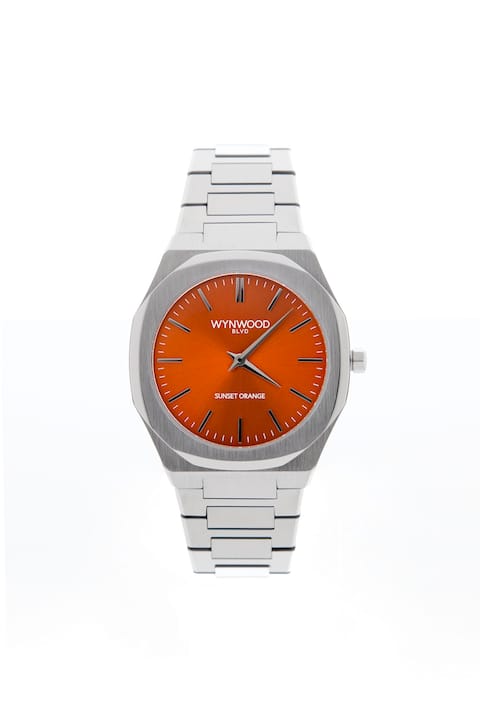
| Wynwoodblvd builds in 316L | The Sunset Orange, Keys Blue, and Everglades Green models use 316L construction matched to different daily-wear needs. |
Table of Contents
- What Is 316L Stainless Steel in a Watch?
- 316L vs. 904L: Does the Upgrade Matter?
- How Durable Is 316L, and Can Scratches Be Fixed?
- Finishes, Coatings, and Crystals That Change How the Watch Wears
- What to Check Before Buying a 316L Watch
- The Environmental Side of Making 316L Watch Cases
- How 316L Became the Watch Industry’s Default Metal
- What Actually Matters When You Buy a Steel Watch
- Which Wynwoodblvd 316L Watch Fits Your Wrist?
- Sources
What Is 316L Stainless Steel in a Watch?
316L is a low-carbon, austenitic stainless steel, meaning its crystal structure stays stable and non-magnetic at room temperature, unlike the ferritic or martensitic steels used in cheaper cases. The number and letter identify the alloy family and low carbon content, which reduces a problem called sensitization during welding and helps the metal hold its corrosion resistance in welded joints, according to a breakdown of watch steel grades from Time+Tide.
The alloy’s performance comes down to three elements working together:
- Chromium forms a thin oxide layer on the surface that blocks rust and staining.
- Nickel adds ductility, letting the metal flex and machine cleanly instead of cracking under stress.
- Molybdenum reinforces resistance to pitting, particularly from chlorides in sweat, saltwater, and cleaning products.
That combination is why 316L became the most commonly used stainless steel in modern watchmaking: it machines consistently, takes a polish evenly, and is produced at industrial scale because the same alloy shows up in medical instruments, marine hardware, and food equipment. That cross-industry demand is also the origin of labels like “surgical grade” and “marine grade” stamped on watch dials, terms that describe overlap with those industries rather than a separate, superior formula.
Quick fact: the same low-carbon chemistry that keeps 316L corrosion-resistant after welding is what lets manufacturers join bracelet links and case components without weakening the metal’s rust resistance at the seam.
316L vs. 904L: Does the Upgrade Matter?
904L stainless steel carries higher chromium, copper, and nickel content than 316L, which gives it marginally better corrosion resistance and a brighter polish straight off the wheel, according to a comparison of the two alloys from KeepTheTime. Rolex popularized 904L, and other brands now use it as a marketing differentiator.
In daily wear, the gap is narrow. The difference between the two alloys tends to show up only under sustained, harsh exposure, not in typical office or weekend use.
- 904L costs more to machine, which is why it appears mostly on premium models
- The corrosion-resistance gap versus 316L is real but subtle for most owners
- Polish brightness differences fade once either metal picks up daily scratches
- Finish quality and case construction usually matter more to long-term looks than alloy choice alone
Consider stepping beyond 316L only in specific cases: if you work in marine trades with constant saltwater exposure, if you have a strong personal preference for a brighter, glassier polish, or if you have a confirmed nickel sensitivity that pushes you toward an alternative metal entirely. For that last group, titanium is worth a look. It is not stainless steel, but manufacturers position it as a lighter, more hypoallergenic option, a contrast G-SHOCK draws directly in its own material guide. For everyone else, 316L remains the more practical choice: it is available, well understood by repair shops everywhere, and priced to reflect that.
How Durable Is 316L, and Can Scratches Be Fixed?
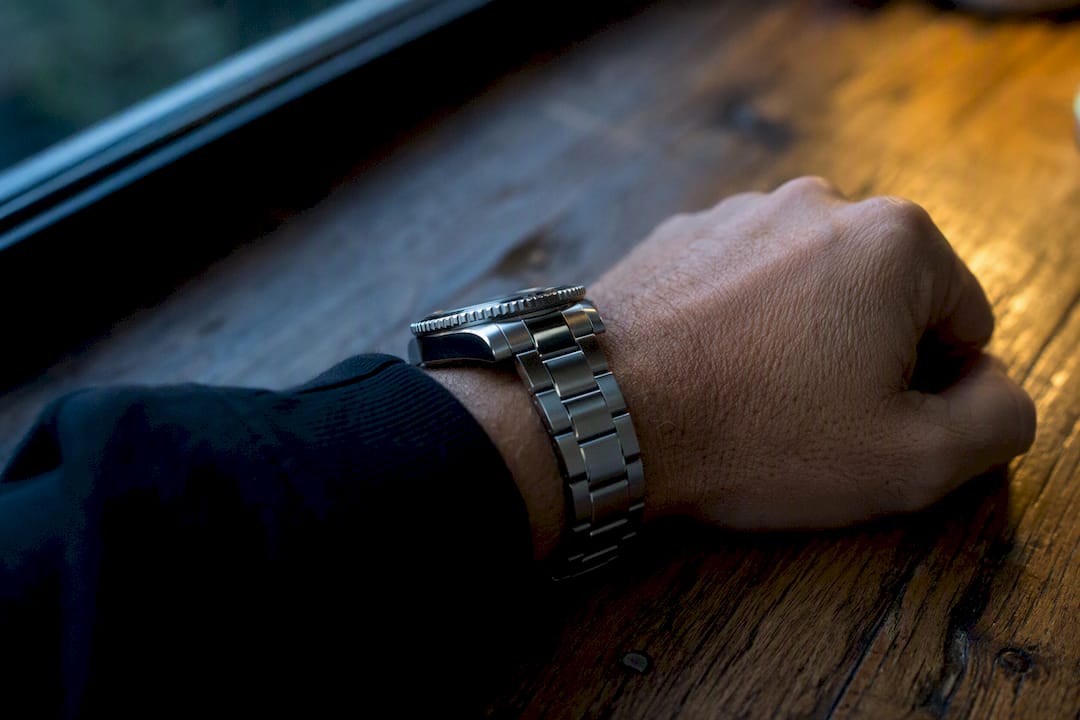
Steel scratches because nearly everything you brush against in daily life, desks, zippers, car doors, is harder than the alloy’s polished surface. That is physics, not a flaw in the metal. What changes the story is finish: a brushed case hides fine marks far better than a mirror-polished one, and either finish can usually be restored, according to a beginner’s guide to watch case materials from WatchSavvyZone.
Corrosion is a separate issue from scratching, and it is far less common on quality 316L under normal use. Pitting or discoloration tends to appear only after prolonged exposure to chloride-heavy environments, chlorinated pools, cosmetic chemicals, or saltwater left to dry on the case without rinsing. A properly sealed 316L watch worn casually for years typically shows scuffing before it shows any sign of rust.
Restoration options scale with the damage:
- Light surface scratches: a home polishing cloth or micro-abrasive paste often removes them in minutes.
- Deeper scratches or dull finishes: professional polishing restores the original luster, usually for a modest service fee.
- Bracelet grime or salt residue: a soft brush and mild soap, following a step-by-step bracelet cleaning checklist, clears buildup between links.
- Suspected water intrusion: stop wearing the watch and get the seals checked before moisture causes internal damage.
Pro Tip: Rinse your watch with fresh water after any swim in the ocean or a pool. Chlorides left to dry on the case and clasp are the single biggest avoidable cause of long-term corrosion.
Finishes, Coatings, and Crystals That Change How the Watch Wears
The alloy is only part of the durability story. Finish and crystal choice often decide how a watch actually looks after two years of wear.
- Polished finishes look sharp out of the box but show every scratch; they also refinish beautifully since polishing wheels work with, not against, a mirror surface.
- Brushed finishes hide daily wear better and are typically cheaper and faster for a repair shop to restore than a mixed satin-and-polished case, a real service-cost consideration.
- Bead-blasted finishes offer a matte, low-glare look that resists showing fine scratches but can be harder to match exactly during a refinish.
- PVD and DLC coatings add a hard, colored layer over the steel for extra scratch resistance, but they wear through at edges and high-contact points over time, and once that happens, the coating cannot simply be polished back like bare steel.
- Sapphire crystal remains the practical standard for scratch resistance on the dial window, and anti-reflective coating improves legibility, though it can show its own fine coating scratches under close inspection.
Match these choices to how you actually live: brushed steel and sapphire for someone active or seaside, polished finishes for office wear where scuffing is rare.
What to Check Before Buying a 316L Watch
A little scrutiny on the product page saves you from a vague “stainless steel” listing that never actually names the grade. Run through this before you buy:
- Confirm the listing explicitly states 316L (or another named grade), not just “stainless steel.”
- Check the crystal type; sapphire is the durability benchmark.
- Note the water resistance rating in meters and whether the crown screws down.
- Look at bracelet end-link fit against the case; gaps signal cheaper manufacturing.
- Check the clasp type and whether it has micro-adjustment for fit.
- Look for branded screws, pins, or casebacks, a sign of attention to detail.
- Ask about warranty length and whether polishing or refinishing service is offered.
Red flags worth walking away from:
- Material descriptions that say only “stainless steel” with no grade
- No close-up photos of the caseback, clasp, or bracelet fit
- No warranty or service policy listed anywhere
Match features to your actual use case. Frequent swimmers should prioritize 100 meters or more of water resistance and a screw-down crown; office wearers can prioritize finish and bracelet comfort instead. If nickel sensitivity is a concern, ask the seller directly, and consider reviewing what buyers should know about nickel-free stainless steel before you commit.
Why Wynwoodblvd Chooses 316L
Mathias, who leads product development at Wynwoodblvd, points to a simple standard: pick the alloy watchmakers trust most, then build the case and bracelet well enough that it earns that trust in daily wear.
Wynwoodblvd’s signature automatic watches use 316L because it balances corrosion resistance, machinability, and long-term repairability better than flashier alternatives. Explore the Sunset Orange collection to see the finish quality firsthand.
The Environmental Side of Making 316L Watch Cases
Stainless steel production, including the alloy grades used in watchmaking, is energy-intensive, largely because smelting chromium and nickel ore requires high heat and significant electricity. That is the tradeoff behind a metal prized for lasting decades rather than months.
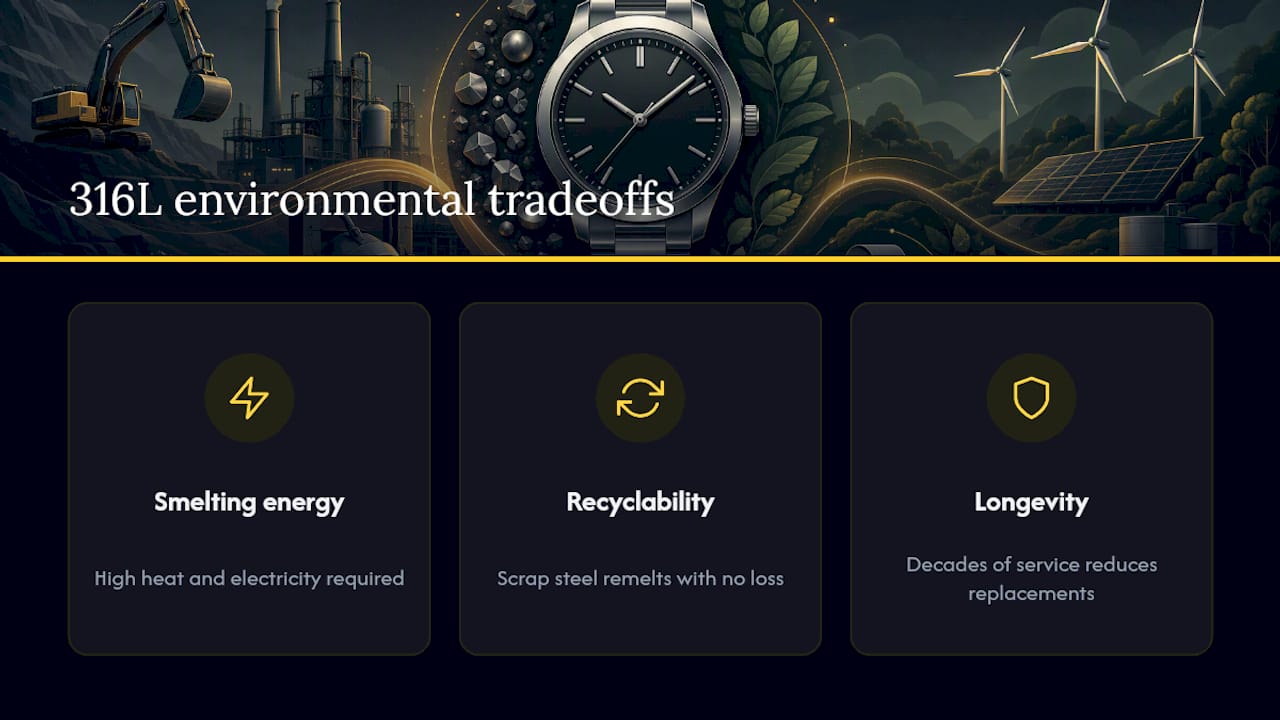
The upside is recyclability. Stainless steel is one of the more commonly recycled industrial metals, and scrap steel can be melted down and reformed into new alloy without losing its core properties. A watch case that eventually gets scrapped does not become landfill waste in the way that many plastic or composite watch materials do.
Longevity itself is a sustainability argument. A 316L case that survives a decade of daily wear, gets polished a few times, and keeps functioning avoids the resource cost of manufacturing a replacement watch every year or two. Buying one durable piece and maintaining it, rather than cycling through disposable fashion watches, is the more meaningful sustainability lever most buyers actually control. Brands sourcing steel from mills with documented recycled content are moving the needle further, though transparency on exact recycled percentages still varies widely across the watch industry and is not something every manufacturer publishes.
For buyers weighing this seriously, the practical takeaway is to buy for longevity: a well-made 316L watch with accessible repair and polishing service will outlast several cheaper alternatives, which matters more to lifetime environmental impact than the marginal difference between steel grades.
How 316L Became the Watch Industry’s Default Metal
Stainless steel entered watchmaking in the early 20th century as a tougher, more affordable alternative to gold and silver cases, but early formulations varied widely in corrosion resistance and consistency. The 316 family, refined initially for marine and chemical-industry hardware because of its molybdenum-boosted resistance to saltwater and acids, migrated into watchmaking as manufacturers recognized that a metal built to survive ship fittings would easily survive a wrist.
The low-carbon “L” variant became the dominant choice as case and bracelet construction grew more complex, involving welded links, soldered lugs, and multi-piece cases where sensitization during welding could otherwise compromise corrosion resistance at the seams. Because 316L was already being produced at scale for medical and marine industries, watch manufacturers gained access to consistent, well-documented material without needing a bespoke alloy.
By the latter half of the 20th century, 316L had become the default across the price spectrum, from accessible sport watches to prestige brands. OMEGA is one clear example, stating that it uses 316L stainless steel for cases and bracelets specifically for its corrosion resistance and the high luster it holds after polishing. That adoption pattern, tested industrial alloy trickling into watchmaking rather than a metal invented specifically for watches, explains why 316L still dominates the category rather than newer or flashier formulations.
What Actually Matters When You Buy a Steel Watch
The conventional wisdom oversells alloy grade and undersells construction. Buyers fixate on whether a watch is 316L or 904L, but the finish, the seals, and the bracelet fit determine how a watch actually looks and performs after three years of real wear. Two watches in identical 316L can age completely differently based on case finishing alone.
“Surgical grade” and “marine grade” labels deserve real skepticism. They describe industry overlap, not a superior formula, and a shopper who chases that phrase is often paying attention to the wrong variable.
If you want a steel watch that ages well, prioritize sealing quality, bracelet construction, and finish choice over chasing a marginally different alloy. Ask about service and polishing options before you buy, not after the first scratch shows up. That single habit will do more for how your watch looks in five years than any alloy upgrade.
— Mathias
Which Wynwoodblvd 316L Watch Fits Your Wrist?
Wynwoodblvd built three signature automatic watches in 316L stainless steel, each pulling its color story from a different corner of Florida, and each suited to a different kind of daily wear.
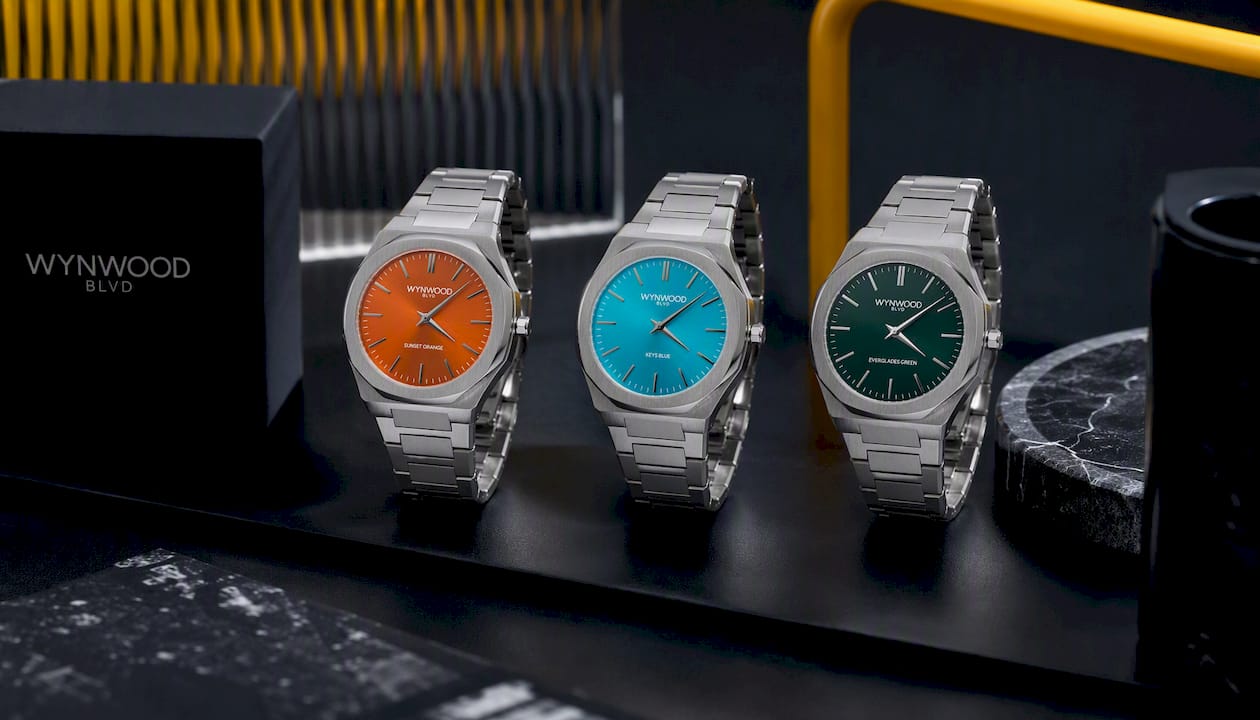
- Sunset Orange: a warm, statement dial built for someone who wants their watch to stand out at dinner as easily as it does at a desk, best for style-forward office wear.
- Keys Blue: a cooler, coastal-inspired dial that reads clean on a commute and holds up through a normal week of errands and travel, best for everyday, all-purpose wear.
- Everglades Green: a deeper, earthier tone paired with the same 316L construction, best for buyers who want a rugged look ready for weekends outdoors or near the water.
All three share the same 40mm automatic case, water resistance, and finishing standards, so the decision mostly comes down to which color matches your rotation. Every model ships with a standard warranty, and if you ever need to resize the bracelet at home, the step-by-step guide to removing watch links walks through the process without a jeweler visit. Pick the dial that matches your week, and check sizing before you order to skip a return.
Sources
- What do the different types of stainless steel actually mean for your watch? | Time+Tide
- All About 316L VS 904L Stainless Steel in Watches | KeepTheTime
- Seamaster Diver 300M 44 mm, steel on steel | OMEGA US®
- Watch case materials explained: A beginner’s guide | WatchSavvyZone
- Surgical stainless steel — Wikipedia