Stainless Steel vs Silver Jewelry: What to Buy and When
Pick stainless steel for everyday, low-maintenance wear. Pick 925 sterling silver for dress pieces, gifts, and jewelry you plan to keep for decades. The reason comes down to chemistry and use: stainless steel resists corrosion and scratches without upkeep, while sterling silver offers resale value and easier repairs.
- Everyday chain or watch: 316L surgical-grade stainless steel.
- Wedding band for active hands (construction, gym, water): stainless steel or titanium.
- Dress ring, heirloom, or resizable piece: .925 sterling silver.
- Fresh piercing: implant-grade steel (ASTM F138) or titanium.
The Cleveland Clinic notes nickel sensitivity is common enough that grade matters more than marketing language on either metal.
Key Takeaways
Stainless steel wins on daily durability and low maintenance, while sterling silver wins on repairability, detail work, and resale value tied to spot silver prices.
| Point | Details |
|---|---|
| Match metal to use case | Choose 316L stainless for daily wear, .925 sterling for dress pieces and heirlooms. |
| Check the grade, not the label | Ask for 316L, 316LVM, or ASTM F138 rather than trusting “surgical steel” claims. |
| Tarnish is chemistry, not defect | Sterling reacts with sulfur compounds; polish regularly and store with anti-tarnish packets. |
| Repairability favors silver | Sterling solders and resizes easily; stainless often needs specialist welding. |
| Wynwoodblvd fits daily wear | Their stainless steel watches offer water resistance and durability for active, everyday use. |
Table of Contents
- Stainless Steel vs Silver Jewelry: The Comparison at a Glance
- What Is Stainless Steel Jewelry Made Of?
- What Makes Sterling Silver Different From Stainless Steel?
- Which Metal Holds Up Better to Daily Wear?
- How Do the Finishes and Aging Compare?
- Is Stainless Steel or Silver Better for Sensitive Skin?
- How Should You Clean and Care for Each Metal?
- Which Metal Is Easier to Repair or Resize?
- What Does Each Metal Actually Cost You?
- How Do You Choose Based on Your Use Case?
- How Do You Verify Grade and Quality Before Buying?
- Everyday Stainless Steel Pieces Built for Real Life
- Sources
Stainless Steel vs Silver Jewelry: The Comparison at a Glance
| Factor | Stainless Steel (316/316L) | Sterling Silver (.925) |
|---|---|---|
| Best for | Daily wear, active lifestyles, water exposure | Dress pieces, gifts, heirlooms |
| Durability | High scratch and corrosion resistance | Softer, dents and scratches more easily |
| Appearance | Cool, industrial white, holds polish long-term | Warm, bright luster, deep shine when polished |
| Maintenance | Rinse with soap and water, minimal upkeep | Requires polishing, anti-tarnish storage |
| Hypoallergenic risk | Low nickel release in 316L grades | Low, unless alloyed with nickel |
| Repairability | Difficult, needs specialized welding | Easy soldering and resizing |
| Cost & value | Lower upfront cost, little resale value | Tracks silver spot price, retains resale value |
Stainless steel wins on toughness and price. Sterling wins on shine, detail work, and long-term value. A detailed metal comparison from MWalloys confirms steel’s edge in scratch and corrosion resistance, while sterling still leads on malleability and brightness.
What Is Stainless Steel Jewelry Made Of?
Stainless steel jewelry is built from a family of chromium-containing alloys, not a single material. That layer is what stops rust and pitting, even after years of gym sweat or ocean swims.
Not all stainless grades are equal. Jewelry-grade pieces commonly use 316 or 316L, while implant-grade jewelry and piercings rely on 316LVM or ASTM F138.
- 304 stainless: Common in cheap fashion jewelry, more prone to nickel release.
- 316/316L: The jewelry-industry standard, lower carbon content, better corrosion resistance.
- 316LVM / ASTM F138: Vacuum-melted, medical-implant grade, the gold standard for piercings.
Pro Tip: Check the product listing for the actual grade number, not just the word “surgical.” “Surgical steel” isn’t a regulated term, so a specific grade like 316L tells you far more than a marketing label.
What Makes Sterling Silver Different From Stainless Steel?
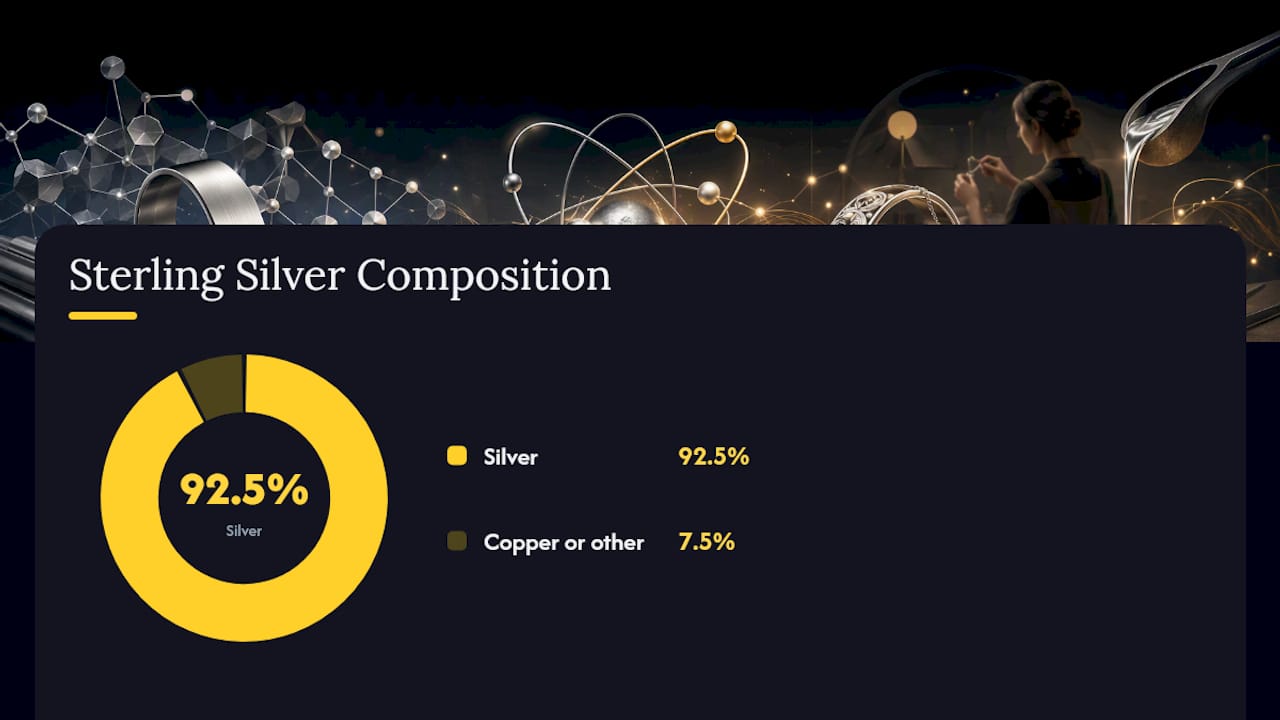
Sterling silver is 92.5% pure silver alloyed with about 7.5% copper or another metal, stamped with a .925 or STERLING hallmark. Pure silver alone is too soft for jewelry, so the copper adds structure without sacrificing much shine.
That copper is also the source of sterling’s biggest drawback. Tarnish forms when silver reacts with sulfur compounds in the air or in household chemicals, creating a layer of silver sulfide on the surface. Chlorinated pools, perfume, and even certain lotions speed up the reaction.
- Hallmarks to look for: .925, STERLING, or 925.
- Tarnish shows first as yellowing, then gray or black film over time.
- Regular polishing and dry storage slow the process but never stop it entirely.
The trade-off is simple: you get a brighter, warmer shine, but you sign up for maintenance stainless steel never asks for.
Which Metal Holds Up Better to Daily Wear?
Stainless steel is harder than sterling silver on any practical hardness scale, and that difference shows up fast in real life. Drop a sterling ring on a tile floor and you might see a ding. Drop a stainless band, and it usually walks away unscathed. A construction worker’s wedding band or a gym regular’s bracelet takes the kind of abuse that dents soft sterling within months.
Water tells the same story. Stainless steel, especially 316L, forms that protective oxide layer that shrugs off pool chlorine, ocean salt, and sweat. Sterling silver doesn’t corrode outright, but chlorine and sulfur compounds accelerate tarnish and can weaken soldered joints over years of exposure.
- Scratch resistance: Stainless steel > sterling silver.
- Dent resistance: Stainless steel > sterling silver.
- Corrosion resistance: Stainless steel > sterling silver.
- Resizing flexibility: Sterling silver > stainless steel.
That last point matters more than people expect. Stainless steel’s toughness is exactly what makes it hard to resize, so a ring that’s slightly off will likely need replacing, not adjusting.
Pro Tip: If your weight or ring size fluctuates, that resizing limitation on stainless steel is worth weighing before you buy, not after.
How Do the Finishes and Aging Compare?
Sterling silver has a warmer, brighter sheen straight out of the box. Stainless steel runs cooler and more industrial, closer to platinum in tone than to traditional silver jewelry.
Both metals offer finish options that change how they age. Sterling can be rhodium plated for extra shine and tarnish resistance, though that plating wears thin over years of contact. Stainless steel takes PVD coatings and electroplating well, which lets brands offer gold tones, black finishes, or colored accents that outlast standard plating.
- Mirror polish: Available on both, but stainless holds the shine longer without chemical care.
- Brushed/matte finish: Common on stainless for a modern, low-glare look.
- Rhodium plating: Common on sterling to fight tarnish and boost brightness temporarily.
Aging diverges sharply. Sterling develops patina, a soft gray darkening in recesses that some buyers actually prefer on detailed designs. Stainless steel keeps its original tone for years, and a deep scratch just becomes a scratch, not an entry point for corrosion.
Is Stainless Steel or Silver Better for Sensitive Skin?
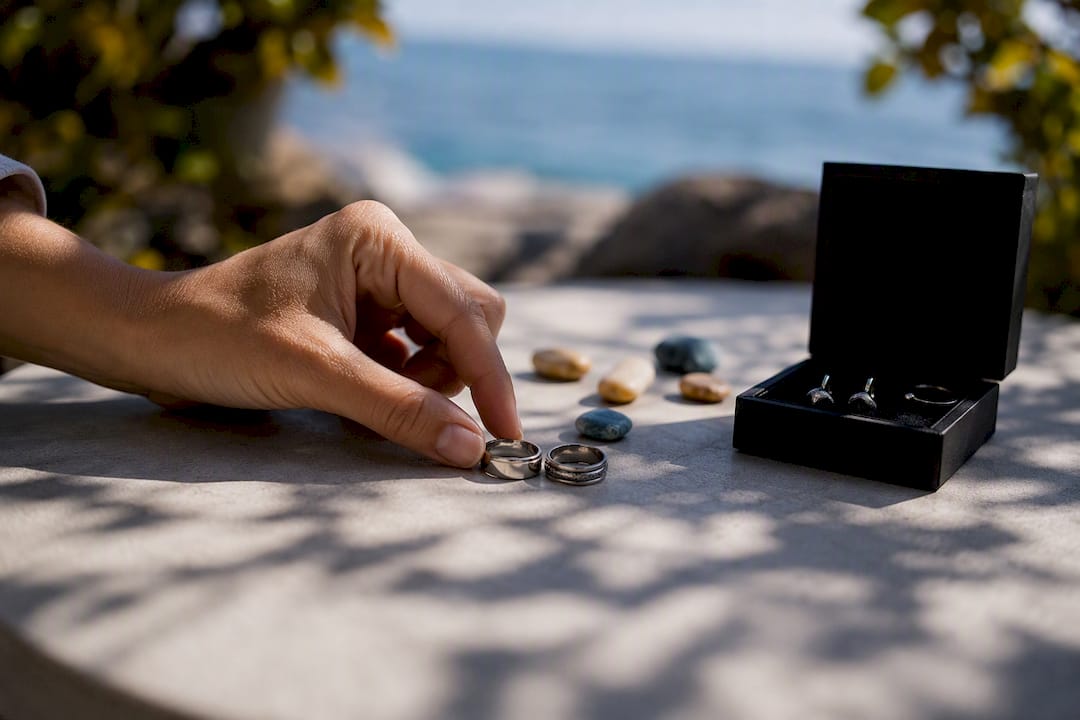
Both metals can trigger a reaction, but the risk profile isn’t identical. Stainless alloys contain some nickel, though 316 and 316L release it at rates low enough that most people with mild sensitivities tolerate them without issue. Severe nickel allergy sufferers should still lean toward titanium or implant-grade 316LVM.
Regulation varies by region. The EU caps nickel release at 0.2 micrograms per square centimeter per week for piercings and 0.5 for general jewelry, but the U.S. has no equivalent federal standard, so grade transparency from the seller matters more here than elsewhere.
Sterling silver’s allergy risk usually traces back to its alloy metals, not the silver itself, and reputable sterling relies on copper or zinc rather than nickel.
- Patch-test a small area before wearing new jewelry for extended periods.
- Ask sellers for grade numbers, not just the word “hypoallergenic.”
- For piercings or severe allergies, prioritize titanium or ASTM F138 steel.
Pro Tip: The Cleveland Clinic recommends a simple patch test on the inner arm for 48 hours if you’re unsure how your skin reacts to a new metal.
How Should You Clean and Care for Each Metal?
Sterling silver needs routine attention. Follow these steps to keep it bright:
- Wash with mild soap and warm water using a soft brush for detail work.
- Dry immediately with a soft cloth to prevent water spots.
- Buff with a silver polishing cloth every few weeks.
- Store in an anti-tarnish pouch or with silica packets.
- Remove before swimming, showering, or applying perfume and lotion.
Stainless steel asks for far less:
- Rinse with soap and water, then dry with a microfiber cloth.
- Avoid abrasive cleaners or scouring pads on PVD-coated pieces, since they can wear through the coating.
- No need for anti-tarnish storage or specialty polish.
That leads to the most common question buyers ask: can you shower with it? Stainless steel, particularly 316L, is generally safe for showers, pools, and daily water exposure. Sterling silver should come off first. Even brief chlorine or soap exposure accelerates tarnish and, over months, softens solder joints.
Which Metal Is Easier to Repair or Resize?
Sterling silver is a bench jeweler’s easiest material. Standard soldering tools handle resizing, reprofiling, and stone resetting without specialized equipment, which is why designers favor it for intricate, filigree work.
Stainless steel resists that same ease. Its hardness and high melting point often require laser or TIG welding, tools most local jewelers don’t stock. Resizing many stainless rings is difficult or flat-out impossible, and stone setting demands more specialized, costlier work.
- Sterling: Easy resize, easy repair, easy stone setting.
- Stainless: Limited resize options, specialist repair only.
If a piece needs to last generations and adapt to life changes, sterling’s repairability should drive the decision. If you’re fine replacing a piece down the line, steel’s durability offsets that limitation.
What Does Each Metal Actually Cost You?
Sterling silver carries real intrinsic value because it’s tied to the silver spot market. Stainless steel has almost no precious-metal content, so its price reflects design and craftsmanship rather than commodity value.
That difference shows up at checkout. Stainless steel pieces typically run 30% to 60% cheaper than comparable sterling designs, since sterling tracks a fluctuating metal market and steel doesn’t.
Resale follows the same logic. Sterling retains a floor value tied to its silver content, and secondary markets exist for scrap and vintage pieces. Stainless steel jewelry, once worn, generally holds little resale value beyond the used retail market.
- Sterling: Higher upfront cost, real resale floor.
- Stainless: Lower upfront cost, minimal resale value.
How Do You Choose Based on Your Use Case?
Match the metal to how you’ll actually wear it, not how it looks on a display stand.
- Daily active wear (gym, work, swimming): Choose 316L stainless steel for zero-maintenance durability.
- Office or professional wear: Either metal works, but stainless needs less mid-day upkeep.
- Wedding bands for hands-on jobs: Stainless steel or titanium outlasts sterling under repeated impact.
- Dress jewelry and special occasions: Sterling silver’s brighter shine and detail work wins here.
- Body piercings: Implant-grade 316LVM or ASTM F138 steel, or titanium for severe allergies.
- Gifts and heirlooms: Sterling silver, for resale value and resizing flexibility down the line.
- If you need low-maintenance daily wear, choose 316L stainless.
- If you want a resizable piece to pass down, choose .925 sterling.
- If you’re shopping for a watch and pendant combo for travel or beach days, stainless steel’s water resistance makes it the practical default.
Whatever you choose, check the listing for grade or hallmark information before buying. A waterproof, anti-tarnish alternative is worth considering if you want the best of both low maintenance and everyday polish.
How Do You Verify Grade and Quality Before Buying?
Sellers throw around terms like “surgical steel” and “hypoallergenic” loosely, and neither term is regulated in the U.S. Your best defense is asking direct questions and checking for specific marks.
- Look for .925 or STERLING stamps on silver pieces, not vague “silver-tone” language.
- Look for explicit 316, 316L, 316LVM, or ASTM F138 statements on stainless pieces.
- Ask sellers for mill certificates or nickel-release test results, especially for implant-grade piercing jewelry.
- Treat “hypoallergenic” as a marketing word until backed by a grade number.
For piercing jewelry specifically, ask whether the piece has been tested for nickel-ion release rather than taking a vague safety claim at face value. Wynwoodblvd’s own hypoallergenic stainless steel guide breaks down what sourcing and testing should look like from a seller’s side.
Pro Tip: If a seller can’t name a specific grade when asked directly, treat that as a red flag, not an oversight.
Practical Trade-Offs From a Jeweler’s Point of View
Choose materials based on what happens five years from now, not just what looks good today. If a piece will need resizing or repair, sterling’s serviceability saves money over time. If it just needs to survive daily life without complaint, stainless steel’s toughness makes replacement unlikely in the first place. Everyday pieces favor steel. Heirlooms favor silver.
Everyday Stainless Steel Pieces Built for Real Life
Wynwoodblvd designs stainless steel watches and jewelry specifically for the daily-wear scenario this guide keeps circling back to: travel, beach days, workouts, and years of wear without babysitting your jewelry box. Every piece uses premium stainless steel with real water resistance, so you’re not choosing between good looks and durability.
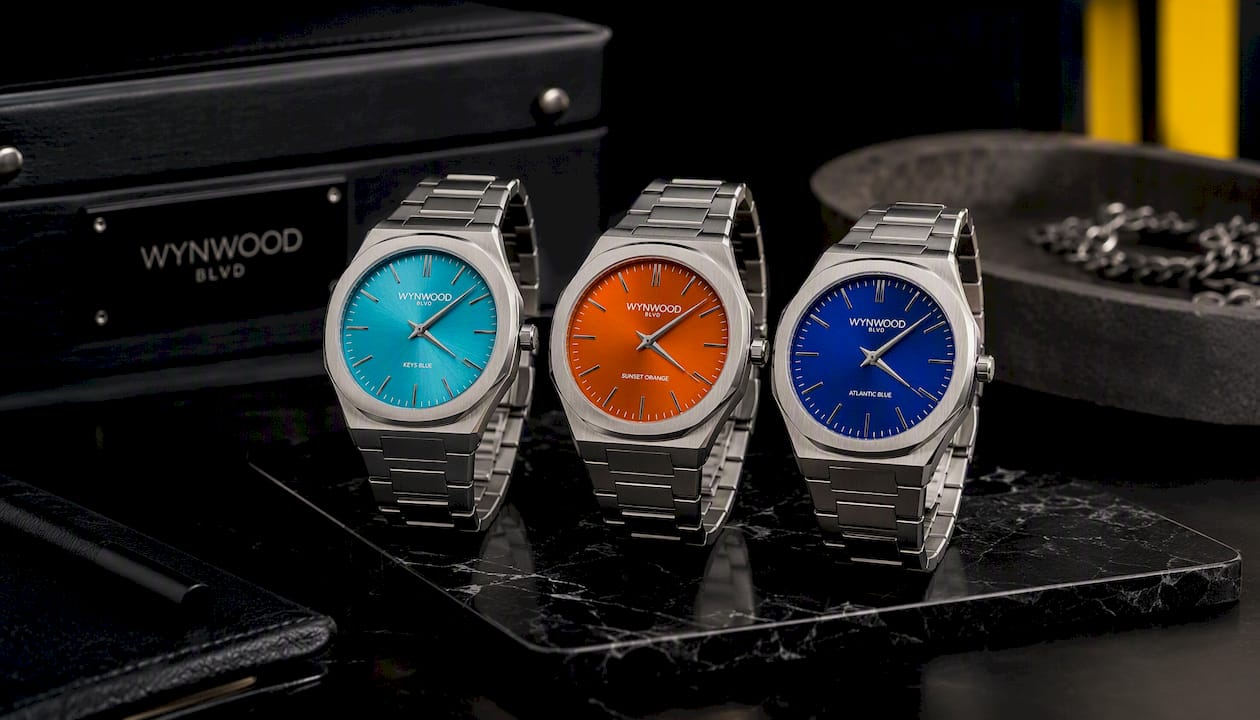
The Keys Blue Miami Inspired Watch, Sunset Orange Automatic Watch, and Atlantic Blue Automatic Watch each show what grade-appropriate stainless steel construction looks like in a finished piece, from case material to water resistance ratings. Check the product specs on any listing to see the material grade and water resistance before you buy, and browse the full watch lineup if you want to compare styles side by side.
Sources
- Are you allergic to metals? 6 surprising places they may lurk - Cleveland Clinic
- Sterling Silver vs Stainless Steel - MWalloys
- Is Stainless Steel Jewelry Safe to Wear? - ScienceInsights
Always check individual product pages for grade stamps and hallmark details before buying, and for silver-specific polishing techniques, Baltic Secret’s crafting guide covers cleaning methods that apply well beyond amber pieces.