Brand Collaboration Merch for Marketers: Watches to Launch
Limited-edition co-created products, premium co-branded accessories, and collectible apparel drops deliver the strongest results for brand partnerships. These formats work because they feel scarce and intentional, not slapped together, and they let both brands tell a shared story instead of just trading logo space. We cover the categories, selection criteria, and a production checklist so you can plan a collaboration that earns attention instead of looking like a quick licensing deal.
TL;DR:
- Codevelopment can raise willingness to pay by about 65% on average, but deeper integration also blurs brand credit and suits partners with repeat plans.
- Small batch manufacturers can often handle runs under 250 units, while physical sample checks and finished batch inspections catch problems before customer fulfillment.
- Allow two to four weeks for concept approval, two to three for samples, and one to two for legal review before production begins.
- Choose partners for shared values, audience interest, compatible quality standards, and realistic timelines; disclose paid endorsements beside the endorsement, using clear terms such as #ad.
Table of Contents
- A categorized list of creative brand collaboration merchandise ideas
- How integration level shapes which collaboration format works
- A production and rollout checklist for collaborative merchandise
- Creative activation and promotion tactics for a merch collaboration launch
- Why premium co-branded watches and charms work as collaboration merch
- Criteria for selecting the right brand partner
- Strategies for a co-branding design process that keeps both identities intact
- Pricing collaborative merchandise for cost and perceived value
- Timeline from partnership talks to post-launch activity
- What working on collaboration merch has taught us
- How WYNWOOD BLVD can help with your next collaboration
- FAQ
- Sources
A categorized list of creative brand collaboration merchandise ideas
Good collaboration merch starts with a category that fits both brands, then gets a creative twist that makes it memorable. Here is a practical menu organized by type, with a note on why each works and how to elevate it.
Premium co-created products
- Custom watches or jewelry with shared design cues, such as a dial color or engraving that nods to both brands’ visual identity. This works because a watch or pendant is worn repeatedly, extending the partnership’s visibility well past the launch window. Elevate it with a numbered production run so each piece feels collectible rather than mass-produced.
- Co-branded leather goods, like wallets or card holders stamped with both marks. These fit collaborations because they read as functional gifts, not promotional throwaways. A creative twist: use a shared color story tied to a place or season both brands can claim.
- Limited-edition fragrance or candle lines built around a joint concept. They work because scent carries emotional memory, which reinforces brand recall. Add a numbered label and short story card to boost perceived value.
Apparel and accessories
- Capsule apparel drops (hoodies, tees, caps) with co-designed graphics instead of two logos stacked together.
- Tote bags or packable totes printed with a joint illustration, useful as both merch and functional carry item.
- Enamel pins or keychains that reference an inside joke or shared campaign theme between the two brands.
Experiential and event merch
- Pop-up exclusive items only available at a joint activation, which rewards attendance and builds urgency.
- Festival or conference kits bundling small items (stickers, patches, a flask) under one collaborative theme.
- RSVP-only drop boxes mailed to a short list of press or creators ahead of public release.
Functional everyday goods
- Reusable drinkware with a joint design, useful because people use it daily and show it to others.
- Notebooks or planners co-branded for a shared audience, like creative professionals or travelers.
Eco and sustainable merch
- Upcycled or deadstock apparel co-branded as a limited run, which supports a sustainability message both brands can stand behind.
- Refillable packaging for a joint skincare or grooming item, reducing waste while reinforcing the collaboration’s premium feel.
Packaging and bundle concepts
- Serialized packaging with a run number printed on each box, turning ordinary merch into a collectible.
- Bundled gift sets pairing one item from each brand, priced as a set to raise perceived value over buying pieces separately.
Across every category, the ideas that outperform are the ones with a design reason to exist together, not just a sticker-and-logo combination. A shared color palette, material choice, or story detail is what separates a memorable collaboration from a forgettable one.
How integration level shapes which collaboration format works
Not every partnership needs the same depth of integration. Matching the format to your goals and brand fit keeps the collaboration from feeling forced.
- Low integration: Items like shared tote bags or co-branded stickers where each logo stays visually separate. Fast to produce, low risk, but limited impact on perceived value.
- Medium integration: Products like a jointly designed apparel capsule or drinkware line where colors and typography blend. Moderate production time, moderate attribution sharing between brands.
- High integration: A fully co-created product, such as a watch designed around both brands’ visual language, where the partnership is the product itself. Slower to produce and harder to walk back, but it carries the strongest perceived value lift.
Higher integration strengthens the association between the two brands in the consumer’s mind, but it also raises the risk that credit gets blurred between partners, a trade-off documented in cobranding partner-selection research. Lower integration keeps brand lines clean but rarely moves the needle on price perception. One relevant data point: marketing a product as codeveloped with a university raised willingness to pay by about 65% on average, according to AMA-reported research on codevelopment, which suggests that visible, credible codevelopment, not just co-branding, is where the real pricing upside lives.
Pro Tip: Choose your integration level based on how long you expect the partnership to last. Reserve high integration for partners you plan to work with again.
A production and rollout checklist for collaborative merchandise
Collaboration merch fails most often on logistics, not design. Build the rollout around these phases:
- Design and concept lock (two to four weeks): finalize shared visual direction, materials, and packaging concept with sign-off from both brand teams.
- Prototype and sample review (two to three weeks): produce physical samples, check fit, finish, and color accuracy before committing to a full run.
- Approvals and legal review (one to two weeks): confirm trademark usage rights, licensing terms, and disclosure language for any paid promotion.
- Production (timeline depends on minimum order quantity and material): small-batch manufacturers can often support private-label runs under 250 units, which helps when testing demand before a full launch.
- Quality control and fulfillment prep: inspect a sample batch from the finished run, not just the prototype, before shipping to partners or customers.
- Launch and post-launch tracking: monitor sell-through and engagement to decide whether to reorder or retire the collaboration.
For packaging, a serialized number on the box or a short story card inside does more for perceived value than extra material thickness. It signals the item was made for this partnership specifically.
Legal and disclosure checklist:
- Disclose material connections clearly and place the disclosure with the endorsement itself, not buried in a bio link, per the FTC’s endorsement guidance.
- Use simple, unambiguous language such as “#ad” rather than vague terms.
- Confirm both brands’ legal teams have signed off on trademark usage before production begins.
For a deeper walkthrough on ordering timelines and minimums, our custom logo watches guide covers the specifics for timepiece collaborations.
Creative activation and promotion tactics for a merch collaboration launch
A strong product deserves a launch plan that matches its ambition. Build a cross-channel push rather than relying on one announcement post.
- Segment your email list so existing customers of each brand get a tailored preview before the general public.
- Stagger social posts across both brands’ channels instead of posting identical content on the same day.
- Seed product with a small group of creators ahead of launch, with clear FTC-compliant disclosure on every post.
- Pitch a PR angle tied to the story behind the collaboration, not just the product specs.
- Run a pop-up or in-store event where the item is available first, rewarding people who show up in person.
- Offer a bundle-only exclusive for a short window to create urgency without discounting the core product.
For measurement, track UTM-tagged links for each channel, use unique promo codes per partner audience, and watch engagement rate on seeded posts alongside direct sales. For apparel-specific production and small-batch printing options like direct-to-garment or embroidery, Tekton LA’s team merch guide covers practical methods worth reviewing before you lock your run size.
Why premium co-branded watches and charms work as collaboration merch
A watch or pendant carries a partnership further than almost any other format because people wear it repeatedly, in public, for years. That repeated visibility is what separates premium accessories from disposable swag.
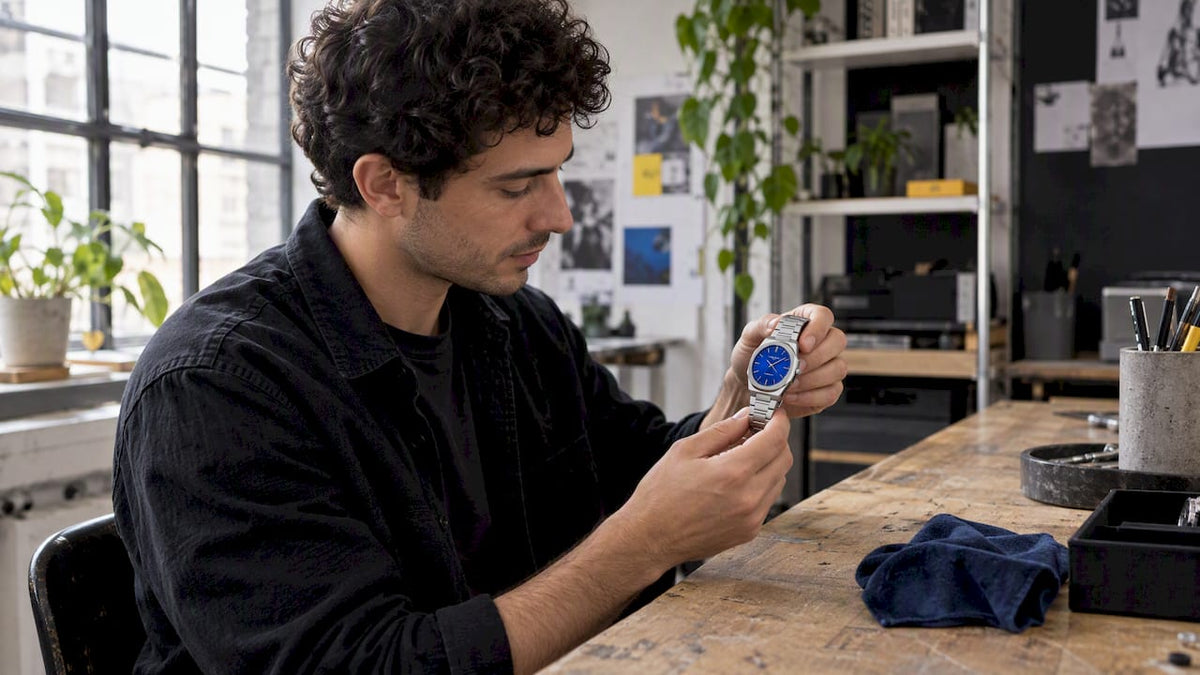
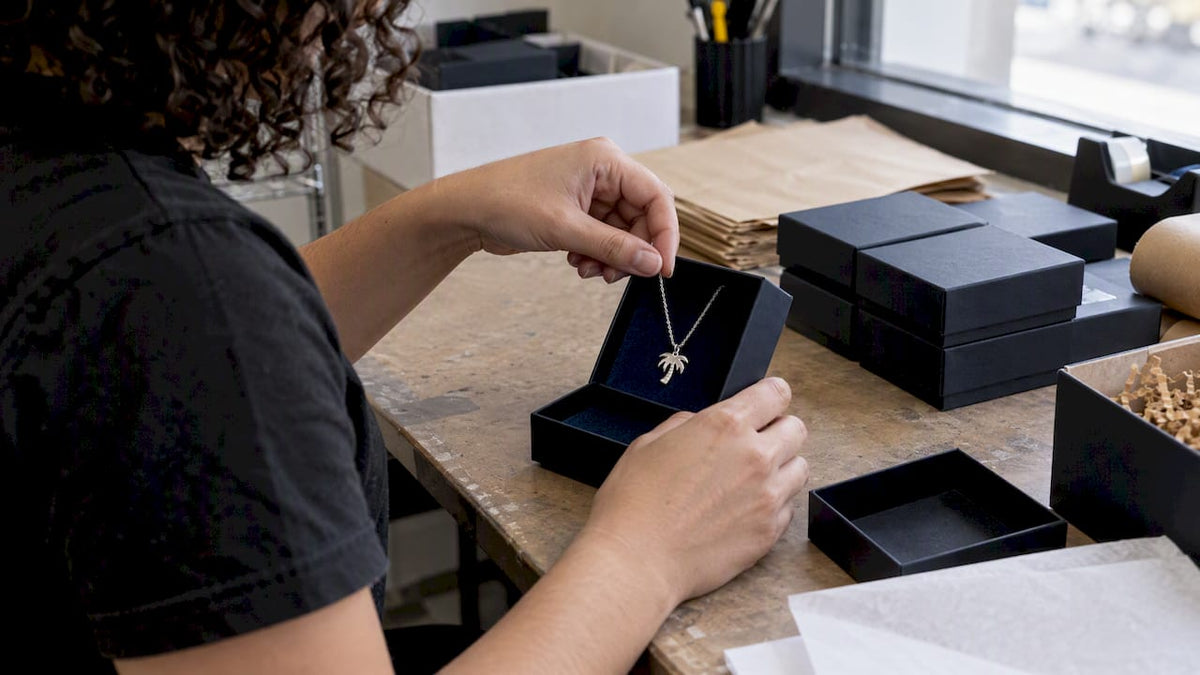
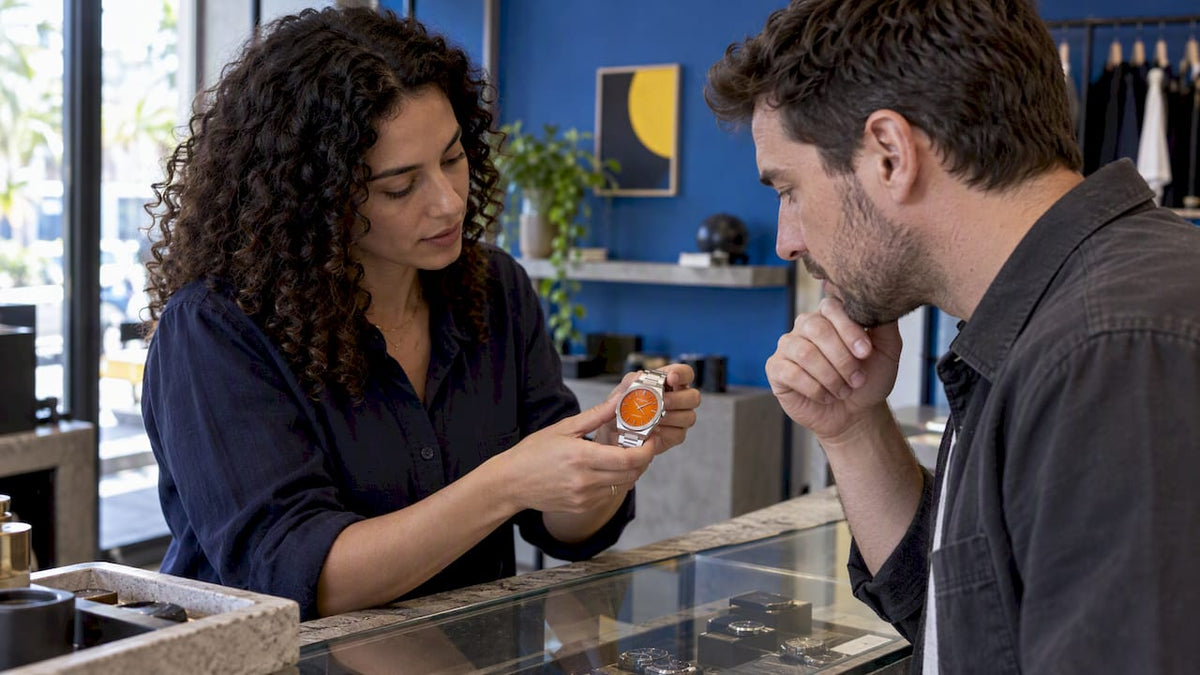
Our approach centers on pieces inspired by real places, which gives each collaboration a built-in story instead of a generic logo placement. Current designs include the Sunset Orange Miami Inspired Watch, the Keys Blue Miami Inspired Watch, the Atlantic Blue Stainless Steel Automatic Watch, the Everglades Green Miami Inspired Watch, and our Palm Tree Charm pendants in gold classic, silver signature painted, and gold signature painted finishes.
- For corporate clients, we offer logo engraving, dial customization, and custom packaging on bulk orders.
Pro Tip: Ask about dial color and packaging customization early. Those two choices carry most of the collaboration’s visual identity.
Criteria for selecting the right brand partner
The partner you choose matters more than the product you design. Start by checking that both brands share overlapping values, not just overlapping customers, since a values mismatch shows up quickly once the collaboration goes public.
Look for audience alignment next: does the partner’s customer base actually want what your brand makes, or is the overlap only demographic? A travel brand and a watch brand might both appeal to professionals in their 30s, but the real fit comes from a shared interest in design and place-based storytelling, not just age range.
Check production and quality standards too. A partner whose manufacturing standards do not match yours can undercut the premium feel you are trying to build, regardless of how well the marketing message lands.
Finally, weigh timeline compatibility. A partner who needs a launch in six weeks is not a fit for a product that requires a three-month production cycle. Mismatched timelines create pressure that leads to rushed decisions on design or quality control.
Cultural fit deserves attention as well, especially for collaborations that borrow visual language from a specific place or tradition. Research on culturally mixed products shows that thoughtful integration earns acceptance, while careless cultural cues can prompt rejection, a pattern seen in AMA research on cultural respect in symbolic products.

Strategies for a co-branding design process that keeps both identities intact
The best co-branded designs feel like a conversation between two visual languages, not a compromise that waters down both. Start the design process with a shared mood board built from each brand’s existing assets, color palette, and typography, so designers see where the two identities naturally overlap before anyone starts sketching.
Assign one creative lead from each side who has authority to approve decisions quickly. Collaborations stall when every small design choice needs sign-off from multiple stakeholders on both teams.
Keep a short, written list of non-negotiables from each brand, such as a primary color that cannot shift or a wordmark that cannot be altered. This prevents late-stage disagreements and gives designers clear boundaries to work within.
Combining different creative perspectives, a minimalist brand paired with a maximalist one, for example, often produces a more memorable result than two similar aesthetics blending into one bland middle ground. The contrast is part of what makes the product worth noticing.
Finally, test the design on the actual product material and format before finalizing. A color combination that looks right on screen can read differently on stainless steel, fabric, or printed packaging, so a physical sample check should happen before production sign-off, not after.

Pricing collaborative merchandise for cost and perceived value
Price collaborative merch as a joint premium product, not as a sum of two separate retail prices. The collaboration itself is part of what the customer is paying for, so pricing too close to either brand’s standard retail line undersells the partnership.
Start by calculating true production cost, including any premium materials, custom packaging, and the design fees tied to the collaboration itself, since those costs are often higher than a single-brand product run. Add a margin that reflects the scarcity of the release. Limited runs justify a price above what either brand would charge solo, because the item will not be restocked at the same specs.
Watch for the ceiling set by each brand’s existing price perception. A mass-market apparel brand partnering with a luxury accessory brand needs a price point that respects both audiences, usually closer to the higher end rather than splitting the difference.
Bundles deserve their own pricing logic. A set priced as a single collaborative bundle, rather than two items priced separately and added together, tends to read as a better value even when the combined cost is similar.
Timeline from partnership talks to post-launch activity
A realistic collaboration timeline runs through four broad stages. Initial partnership talks, where both sides align on goals, audience fit, and rough budget, typically take several weeks before anyone signs an agreement. This stage also includes legal review of trademark usage and revenue or cost-sharing terms.
Once terms are set, design and development begin, covering concept, prototyping, and sample approval before production starts. This is usually the longest stage, since it involves back-and-forth revisions between two creative teams.
Production and quality control follow, with timeline length depending heavily on order volume and material choice. Smaller runs move faster but may cost more per unit.
Launch week centers on the cross-channel promotion plan, email, social, influencer seeding, and any experiential activation. Post-launch activities matter just as much: tracking sell-through, gathering feedback from early buyers, and deciding whether the collaboration warrants a second run or a follow-up drop. Many successful partnerships plan a brief post-launch retrospective between both brand teams to capture what worked before memory fades.
What working on collaboration merch has taught us
A few lessons repeat across collaborations worth doing again. Partner selection matters more than design talent, since a well-matched partner makes every later decision easier. Packaging is not an afterthought. A thoughtful unboxing experience does more for word of mouth than an extra design iteration on the product itself.
The last lesson is about pacing: test a small run, measure real demand, and resist the urge to overengineer the first collaboration before you know what resonates.
— Mathias
How WYNWOOD BLVD can help with your next collaboration
We design stainless steel watches and jewelry inspired by Miami and coastal destinations, and we build custom versions of these pieces for brands looking for a collaboration merch option.
- We offer customization options for corporate and collaboration orders.
- We support bulk ordering for various kinds of businesses and organizations.
- Our watch and charm collections carry storytelling elements tied to places, which can help in joint concept design.
If a premium co-branded watch or charm collection fits your next partnership, reach out through our Corporate Custom Watches page to start the conversation.
FAQ
What type of merch sells the most?
Apparel and drinkware tend to see the highest volume because they are familiar, low-risk purchases for most audiences. For collaborations specifically, premium accessories like watches or jewelry often generate stronger per-unit revenue and longer brand visibility, even at lower volume.
What are some cool branded merchandise options?
Capsule apparel drops, co-branded drinkware, enamel pins, and premium accessories like custom watches or pendants all work well. The strongest options pair a functional item with a design detail unique to the partnership, such as a shared color story or engraved detail.
What are some unique merch ideas?
Serialized limited-edition products, co-created jewelry with a shared material or color story, and pop-up exclusive items available only at a joint event all stand out. Packaging with a numbered run or story card also turns an ordinary item into something collectible.
What are the hottest promotional products right now?
Premium, story-driven accessories and limited-run apparel are currently favored over generic logo items, largely because they photograph well and hold perceived value longer. Sustainable or upcycled merch is also gaining traction as brands look for collaborations with a built-in values angle.
Sources
- Cobranding arrangements and partner selection: a conceptual framework and managerial guidelines
- FTC: Endorsement guides — what people are asking (influencer guide excerpt)