Article: Watches and Charms: When 316L Beats 304 and When Finish Matters
Watches and Charms: When 316L Beats 304 and When Finish Matters
316L stainless steel resists corrosion better than 304 because it contains molybdenum, an element that fights pitting and crevice attack in salty or humid air. Choose 316 or 316L for marine use, swimwear, or jewelry worn near water. Choose 304 for indoor items or dry climates where you want to save money without losing much durability.
TL;DR:
- 316 and 316L offer superior corrosion resistance in saltwater, humid, and acidic environments due to the inclusion of molybdenum, especially in marine or jewelry applications.
- Proper surface finish and routine maintenance, such as rinsing and drying, can significantly improve the durability of stainless steel, often more than choosing a higher-grade alloy.
- Welding 316L with the correct filler metal, like ER316L, is critical to maintaining corrosion resistance, particularly in welded sections, where improper welding can weaken the material.
- 304 stainless steel remains a cost-effective choice for indoor, dry settings where saltwater or humidity exposure is minimal, but it requires diligent maintenance to outperform higher-grade options.
- Always verify material grade and welding details through documentation, especially for parts exposed to saltwater or skin contact, as these factors influence real-world durability more than alloy composition alone.
Table of Contents
- Composition and Properties: What Separates 304 From 316 and 316L
- Corrosion Resistance in Chloride, Acidic, and Humid Conditions
- Strength, Forming, and Welding: What Fabricators Should Know
- Cost, Availability, and Where Each Grade Makes Sense
- A Simple Checklist Before You Specify a Grade
- How Mathias and WYNWOOD BLVD Choose Stainless for Watches and Charms
- The Real Trade-Off Nobody Mentions Enough
- See WYNWOOD BLVD’s Stainless Steel Watches and Charms
- Key Standards and Datasheets Referenced
- Sources
- FAQ
Composition and Properties: What Separates 304 From 316 and 316L
The difference starts with the mix of elements in the steel. Both grades use chromium and nickel to resist rust, but 316 and 316L add molybdenum, and that single addition changes how the metal holds up outdoors or near salt water.
Typical ranges look like this, based on grade datasheets:
- 304 contains about 18% chromium and 8% nickel, with no molybdenum.
- 316 and 316L contain about 16 to 18% chromium, 10 to 14% nickel, and 2 to 3% molybdenum.
- 316L carries a lower carbon content than standard 316, which limits carbide buildup during welding.
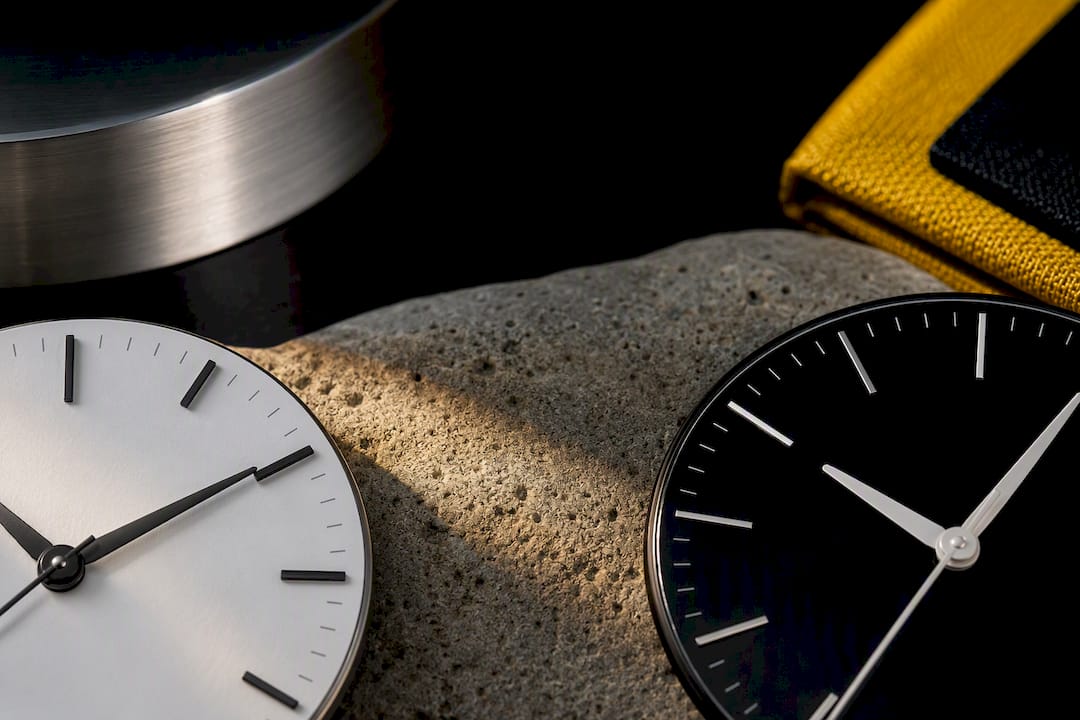
Molybdenum strengthens the protective layer on the metal’s surface, so it resists pitting and crevice corrosion more effectively in chloride-rich air or water, according to design guidelines from World Stainless. The lower carbon in 316L matters most in welded parts, where heat can cause carbide to form along the weld line and weaken corrosion resistance over time. Surface finish plays a role too. A polished or electropolished surface sheds moisture and salt more easily than a raw, bead-blasted one, and that finish can affect long-term performance as much as the alloy itself.
Corrosion Resistance in Chloride, Acidic, and Humid Conditions
Chloride is the enemy here, and it shows up in seawater, sweat, pool chemicals, and winter road salt. In these conditions, 316 and 316L hold up noticeably better than 304 because molybdenum slows the small, localized attacks called pitting and crevice corrosion.
316 is often called “marine grade” for this reason, though it is not immune to corrosion. The World Stainless design guidelines note that pitting risk rises with higher chloride concentration and higher temperature, so a humid, warm coastal environment pushes harder on the material than a cool, dry one.
A few practical points to weigh:
- Warm salt water speeds up pitting risk more than cold salt water does.
- Sweat and skin oils carry enough chloride to matter for anything worn daily, including watches and jewelry.
- Routine care, like rinsing after ocean or pool exposure and drying fully before storage, can extend the life of either grade.
- A well-finished 304 item kept clean sometimes outperforms a poorly maintained 316 item.
Finish and maintenance often matter more than people expect. Industry references point out that small fabricated items gain more from a good surface finish and a simple rinse habit than from switching grades alone, which means upgrading to 316L is not always the full answer if care habits stay sloppy.
Strength, Forming, and Welding: What Fabricators Should Know
Mechanically, 304 and 316 are close cousins. Both offer good ductility and similar tensile strength, so for small parts like charms, clasps, and watch cases, the choice rarely comes down to raw strength. It comes down to corrosion behavior and how the metal reacts to welding.

Welding is where 316L earns its keep. Standard 316 can form chromium carbides along grain boundaries when heated during welding, a process called sensitization, which leaves the weld area more open to corrosion. 316L’s lower carbon content reduces that risk substantially, which is why fabricators lean on it for heavier welded sections.
Filler metal choice matters just as much as base metal grade. AWS recommended practices guide welders toward ER308L for 304-to-304 joints, ER316L for 316-to-316 joints, and ER309 for dissimilar joints that mix the two grades. Picking the wrong filler can leave a weld with lower corrosion resistance than either base metal.
- Use ER308L when welding 304 to 304.
- Use ER316L when welding 316 or 316L to itself.
- Use ER309 for a 304-to-316 dissimilar joint, since it balances the chemistry between the two.
Pro Tip: When ordering a welded stainless piece, ask which filler metal was used. A mismatched filler can quietly undercut the corrosion resistance you paid for.
Cost, Availability, and Where Each Grade Makes Sense
316 and 316L generally cost more than 304 due to their higher alloy content, including nickel and molybdenum, although exact price differences vary with market conditions and product form. Exact price gaps vary by form and finish, but the World Stainless guidelines confirm the general pattern: more alloying elements mean a higher price tag.
Availability follows demand. Sheet, bar, wire, and tube forms of 304 are easy to find almost anywhere, since it is the most common stainless grade in general manufacturing. 316 and 316L are also widely stocked, just usually at a premium and sometimes with longer lead times for specialty shapes.
Where each grade fits:
- 304 works well for kitchen appliances, indoor railings, and general hardware that stays dry.
- 316 or 316L suits marine fittings, medical instruments, and anything facing long-term seawater exposure.
- Wearable items like watches, charms, and rings benefit from 316L because they contact sweat and skin oils daily.
- Budget-driven indoor projects can stick with 304 without a real drop in practical performance.
A Simple Checklist Before You Specify a Grade
Before locking in a material, run through a short set of questions. This keeps you from overpaying for resistance you do not need, or underspecifying for a part that will see salt water or sweat daily.
- Will the part touch salt water, sweat, or de-icing salt regularly?
- Will it stay wet or humid for long stretches, rather than drying quickly?
- Does the design include heavy welded sections that need low-carbon filler?
- Does the budget allow for the added cost of molybdenum-bearing steel?
- Can the supplier confirm grade and finish with paperwork?
When you talk to a mill or supplier, ask direct questions: do they supply mill test certificates, what grade and finish are they quoting, and what filler metal went into any welds. A supplier who cannot answer those clearly is a warning sign, as is a part described only as “stainless” with no grade listed.
Pro Tip: Treat a missing mill test certificate as a dealbreaker on anything meant for salt water or skin contact. It is the one document that proves the grade you are paying for.
How Mathias and WYNWOOD BLVD Choose Stainless for Watches and Charms
The brand’s Miami-inspired watches and charms are designed with coastal wear in mind and shape material choices toward corrosion resistance rather than cost alone. For anyone wearing stainless steel daily, a few habits help: rinse the piece after ocean or pool exposure, skip chlorinated pools when possible, and dry it fully before storing it away. More detail on caring for stainless jewelry is worth a look if you want the full routine.
The Real Trade-Off Nobody Mentions Enough
Most advice on this topic treats 316L as the automatic upgrade and 304 as the compromise. That framing misses the bigger factor: care habits often matter more than the alloy stamped on the back of a watch case. A 304 piece rinsed and dried after every swim can outlast a 316L piece left damp in a gym bag for weeks.
The conventional wisdom also skips the welding angle, which matters more than most buyers realize. A beautifully specified 316L part with the wrong filler metal in its welds can end up weaker against corrosion than a properly welded 304 part. If you are buying anything fabricated rather than machined from solid stock, ask about the weld before you ask about the grade.
Prioritize finish and maintenance first, grade second, and welding detail third if the piece has any joints at all. That order gets you more real-world durability than chasing the “better” alloy alone.
— Mathias
See WYNWOOD BLVD’s Stainless Steel Watches and Charms
Corrosion resistance is a real design factor behind these Miami-inspired watches and charms, built for daily wear near sand, salt air, and pool decks.
Our Miami Inspired Watches and Miami Inspired Charms collections include pieces like the Sunset Orange automatic watch and the Keys Blue automatic watch, both worth a look if you want to check material specs before buying.
- Browse the Palm Tree Charms collection for a lighter, everyday statement piece.
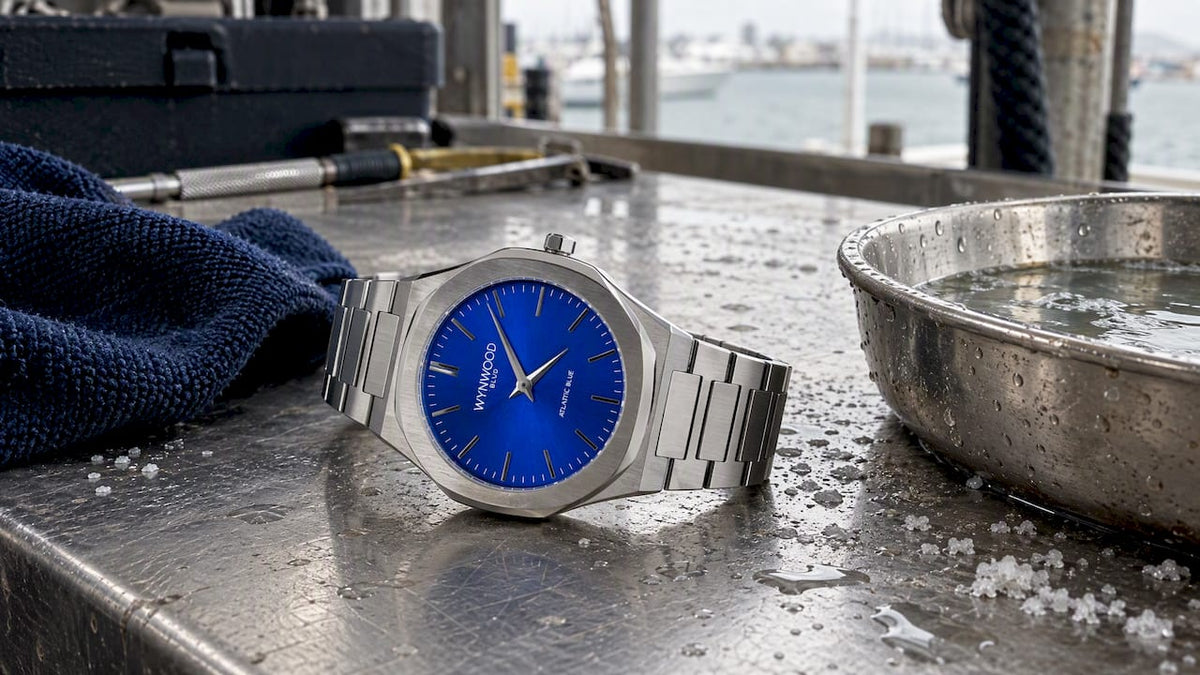
- Check the Atlantic Blue automatic watch for a deeper coastal color option.
- Businesses can explore Corporate Custom Watches for branded pieces built with the same material standards.
If you want styling ideas alongside your material research, this luxury accessories styling guide is a useful companion read.
Key Standards and Datasheets Referenced
- World Stainless design guidelines
- AWS welding recommended practices
- Outokumpu Supra 316L/4404 datasheet
Sources
- Design guidelines (World Stainless Association)
- Recommended Practices for Welding Austenitic Chromium-Nickel Stainless Steel Piping and Tubing (AWS)
- Stainless steel grade sheets (Atlas/industry datasheets)
FAQ
Can you weld 316L to 304 stainless steel?
Yes, welders join 316L to 304 regularly using a filler metal suited to dissimilar joints, most often ER309. The AWS recommended practices guide this filler choice to balance the chemistry between the two grades and avoid weak spots in corrosion resistance.
What are the downsides of 304 stainless steel?
304 lacks molybdenum, so it resists pitting and crevice corrosion less effectively than 316 or 316L in salty or chloride-heavy environments. It still performs well indoors or in dry climates, so the downside only matters when the part faces saltwater, sweat, or de-icing salt regularly.
How can I tell if my stainless steel is 304 or 316?
Visually, the two grades look identical, so you need documentation or a lab test to confirm the grade. Ask the seller for a mill test certificate, which lists the exact chemical composition, or use a portable alloy analyzer if one is available.
Which is cheaper, 304 or 316 stainless steel?
304 is generally cheaper than 316 because it skips the molybdenum and carries less nickel, both of which raise material cost. The exact price gap shifts with alloy market prices and the specific form or finish you are buying.