Nickel Free Jewelry: Check Posts and Clasps for Sensitive Skin
“Nickel-free” on a jewelry label is a marketing claim. It can mean the metal contains very little nickel, or that lab tests show low nickel release, but it does not always guarantee zero contact with the metal. If you have a known nickel allergy, check for documented nickel-release testing or component-level details, and choose inert metals like medical-grade titanium for anything that touches pierced skin.
TL;DR:
- U.S. rules set no definition for nickel free, while EU REACH limits nickel release to 0.5 micrograms per square centimeter per week under EN 1811.
- Ask sellers for release test results on the finished piece and metal details for posts, clasps, backs, and solder, since labels may exclude small components.
- For new piercings, choose medical grade titanium or niobium; yellow gold of 18 karats or higher and confirmed nickel free sterling silver are alternatives.
- A dimethylglyoxime spot test can screen jewelry at home, but its moderate sensitivity means a negative result cannot rule out nickel release.
Table of Contents
- What “Nickel-Free” Usually Means on a Label
- Why Nickel Triggers a Skin Reaction
- Materials More Likely to Be Safe for Sensitive Skin
- How to Check if a Piece Is Really Nickel-Free
- Reducing Nickel Exposure Day to Day
- How Material Choices Reduce Nickel Risk in Finished Jewelry
- A Buyer’s Take on Nickel-Free Claims
- Finding Nickel-Aware Options in Our Watch and Charm Collections
- FAQ
- Sources
What “Nickel-Free” Usually Means on a Label
When a seller writes “nickel-free,” they are making a claim about the product, not citing a government standard. In the United States, there is no single numeric threshold that defines the term. The Federal Register guides for the jewelry industry warn against deceptive labeling, including misuse of terms like “vermeil,” and require disclosure when gold plating sits over a base metal. That guidance polices misleading language, but it does not set a nickel-free threshold the way other regions do.
The European Union takes a more technical approach. The European Chemicals Agency distinguishes nickel content from nickel release, and REACH Entry 27 limits release to 0.5 micrograms per square centimeter per week for items in prolonged skin contact, measured using the EN 1811 lab test. That distinction matters: a metal can contain nickel yet release so little that it rarely triggers a reaction, while another piece with a tiny nickel trace might shed enough to cause irritation.
A few practical failure points explain why “nickel-free” can still go wrong:
- Thin plating can wear through and expose a nickel-containing base metal underneath.
- A “nickel-free” claim may cover the main alloy but not the posts, clasp, or solder.
- Sellers sometimes test the raw material rather than the finished, worn piece.
Why Nickel Triggers a Skin Reaction
Nickel allergy is a form of delayed-type hypersensitivity. The first exposure sensitizes your immune system without necessarily causing visible symptoms. Later exposures to the same metal can trigger a reaction, often appearing as redness, itching, or small blisters a day or two after contact. According to clinical reviews on nickel allergy, it ranks among the more common causes of allergic contact dermatitis, and repeated exposure can make the skin more reactive over time rather than less.
Earlobes, wrists, and the skin under a belt buckle or watch back are frequent contact points because jewelry and watch hardware sit against skin for hours at a stretch, often while sweating. Sweat can increase how much nickel a piece releases, which is part of why the same earrings might cause trouble in summer but not in winter.
If a rash shows up repeatedly in the same spot after wearing a particular piece, that pattern is worth documenting. A dermatologist can confirm the allergen with a patch test, which applies a small, standardized dose of nickel to the skin under controlled conditions. That step matters because other metals or skin conditions can mimic a nickel reaction, and guessing wrong means avoiding jewelry unnecessarily while the actual cause goes untreated.

Materials More Likely to Be Safe for Sensitive Skin
Mayo Clinic’s guidance on nickel allergy lists several materials less likely to cause a reaction: surgical-grade stainless steel, titanium, 18-, 22-, or 24-karat yellow gold, verified nickel-free white gold, and sterling silver when the alloy is confirmed nickel-free. None of these labels is an automatic guarantee on its own, since the finished piece, not just the named metal, determines what actually touches your skin.
- Medical-grade titanium and niobium are generally inert and are common choices for new piercings.
- Platinum and higher-karat yellow gold contain little or no nickel in most alloys.
- Sterling silver can be a safe option, but only when the specific alloy is confirmed nickel-free.
Stainless steel deserves a closer look. Grades like 316L do contain some nickel, yet many finished pieces release very little of it, which is why some wearers tolerate stainless steel jewelry without trouble. Without finished-part release data, though, a “surgical steel” label alone does not prove the piece is low-release. Our guide to nickel-free stainless steel covers how finishing affects this in more detail.
Pro Tip: Thin gold plating or vermeil over a nickel-containing base can wear through with daily use, exposing the nickel underneath, so ask what metal sits beneath the finish before you buy.
How to Check if a Piece Is Really Nickel-Free
You do not have to take a label at face value. A few checks, used together, give you a clearer picture before and after you buy.
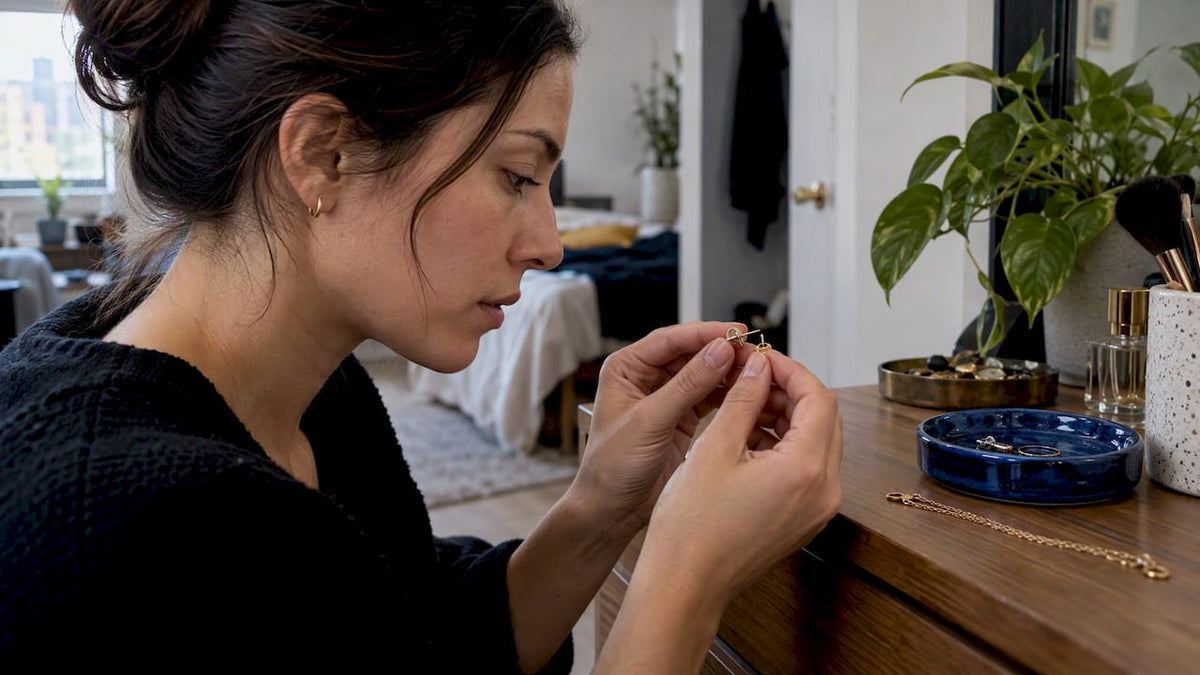
- Ask the seller what metal is used for the posts, clasp, backing, and solder, since these small parts are common points of hidden nickel.
- Request any available nickel-release test results, especially EN 1811 data, which is the technical reference method behind the EU’s nickel-release limits.
- Use a dimethylglyoxime (DMG) spot test as a quick screening tool at home, understanding it has high specificity but only moderate sensitivity, so a negative result does not fully rule out nickel release.
- Confirm the retailer’s return policy in case a piece causes a reaction after you have worn it for a few days.
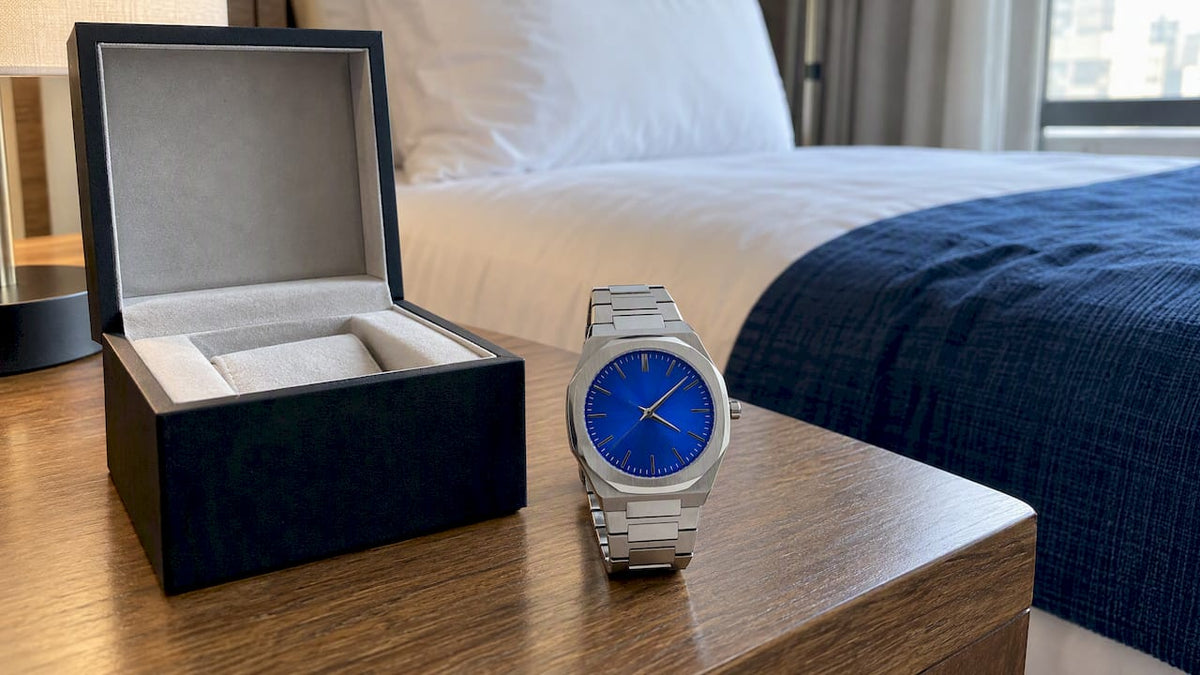
- For watches, ask specifically about the case back, pins, buckle, and strap hardware, since finished-watch testing on these contact points matters more than the alloy listed on a spec sheet.
Reducing Nickel Exposure Day to Day
If a rash appears, stop wearing the piece and note when and where the reaction occurred. That record helps a dermatologist narrow down the cause if symptoms continue or spread. Avoid long, continuous wear of any item you suspect is the culprit, even if the reaction seems mild at first, since repeated exposure tends to make sensitized skin more reactive rather than less.
For new piercings, choose inert posts like titanium or niobium while the skin heals, since broken skin absorbs metal more readily than intact skin. Keep plated pieces dry and avoid harsh cleaners that strip the finish faster, and retire a plated item once the base layer starts to show through rather than continuing to wear it against bare skin.

How Material Choices Reduce Nickel Risk in Finished Jewelry
Material control in jewelry making starts well before a piece reaches a shelf: alloy selection, finishing method, and plating thickness all affect how much nickel, if any, a finished piece can release. Brands that pay attention to these details typically choose components (posts, clasps, backs) with the same care as the visible metal itself.
For readers who want to go deeper on specific materials and finishes, these resources cover the mechanics in more detail:
- Stainless steel vs. titanium compares how each performs for sensitive skin.
- Ion plating versus PVD explains how plating method affects durability and wear.
- Hypoallergenic stainless steel jewelry walks through what quality signals to look for.
A Buyer’s Take on Nickel-Free Claims
If your skin reacts to nickel, treat every “nickel-free” label as a starting point, not a verdict. Ask for component-level details, favor inert metals for anything pierced, and stop wearing a piece the moment a rash appears rather than waiting to see if it clears on its own.
A reputable seller should be able to answer specific questions about posts, clasps, and plating without hesitation. For a consumer-facing rundown of the questions worth asking before you buy, this guide on nickel-free jewelry from a fellow small jewelry maker covers similar ground from a different angle.
— Mathias
Finding Nickel-Aware Options in Our Watch and Charm Collections
We pay attention to finished-part quality for our stainless steel watches and charms, which matters if you are trying to avoid unnecessary nickel contact. Our Miami Inspired Watches and Miami Inspired Charms collections list material details on each product page, including pieces like the Sunset Orange Miami Inspired Watch.
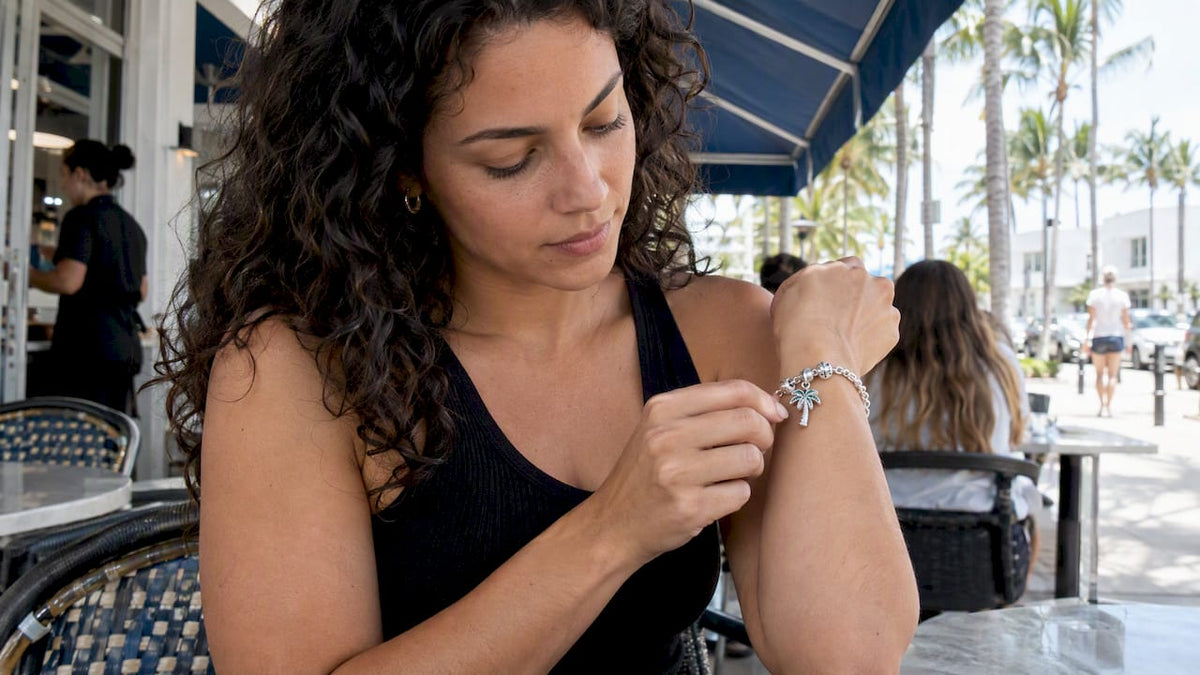
If you have questions about posts, backs, or clasps on a specific piece, including our Palm Tree Charms, reach out to our customer support team before you order. We also build Corporate Custom Watches for companies that want branded pieces with the same material transparency.
- Browse finished watch specs on individual product pages before buying.
- Contact support with any component-specific nickel questions.
- Ask about bulk or custom orders through our corporate watch program.
This article is general information, not a substitute for advice from a qualified doctor. Consult a qualified healthcare professional about your own circumstances before acting on anything here.
FAQ
How can you tell if your jewelry is nickel-free?
Check whether the seller provides nickel-release test results, such as EN 1811 data, rather than relying on the label alone. A dimethylglyoxime (DMG) spot test can screen for surface nickel at home, though it has only moderate sensitivity, so a negative result is not absolute proof.
What are the healthiest earrings for sensitive ears?
Mayo Clinic lists medical-grade titanium, niobium, surgical-grade stainless steel, and higher-karat yellow gold as materials less likely to trigger a reaction. Confirm the post material specifically, since earring backs and posts are common points of hidden nickel exposure.
Can you wear 14-karat gold if you are allergic to nickel?
Lower-karat gold alloys can contain nickel that triggers a reaction in sensitized people. Clinical guidance points toward 18-, 22-, or 24-karat yellow gold or verified nickel-free white gold as safer alternatives.
Will nickel-free jewelry turn green?
Green discoloration on skin usually comes from copper or other base metals reacting with sweat or skin oils, not from nickel itself. A genuinely nickel-free piece made from titanium, niobium, or higher-karat gold is unlikely to cause this kind of staining.
Sources
- Nickel allergy - Symptoms & causes - Mayo Clinic
- European Chemicals Agency (ECHA) — Nickel restriction / guidance
- Guides for the Jewelry, Precious Metals, and Pewter Industries — Federal Register
- Nickel Allergy — StatPearls / NCBI Bookshelf