
Hypoallergenic Jewelry Brands for Sensitive Skin (2026)
Hypoallergenic jewelry brands are defined as those that use metals unlikely to trigger allergic reactions, primarily by avoiding nickel and choosing biologically inert materials. The term “hypoallergenic” itself is unregulated in the US, meaning any brand can use it without proof. The metals that actually matter are titanium, niobium, platinum, and solid 14k–18k gold. Nickel is the most common allergen causing allergic contact dermatitis from jewelry, found in cheap brass and low-grade plated pieces. Knowing which metals are safe, and which brands actually use them, is the only reliable way to protect your skin.
What metals qualify as truly hypoallergenic in jewelry?
The safest metals for sensitive skin are titanium and niobium. Titanium and niobium are biologically inert and contain zero nickel, making them the top choice for anyone with confirmed metal allergies. Biologically inert means the metal does not react with your body’s tissue or immune system at all.
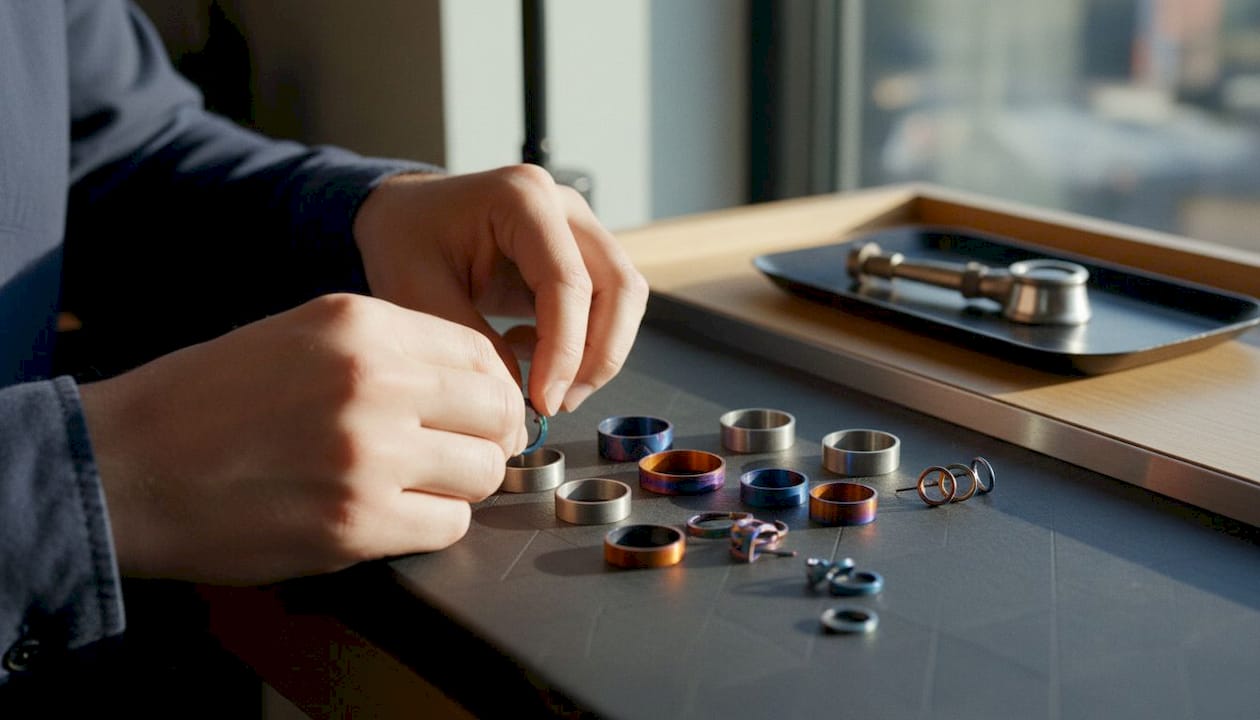
The metal safety hierarchy
Tier 1 — Zero nickel, zero reaction risk:
- Implant-grade titanium (ASTM F136): The gold standard for new piercings and healing skin. Used in surgical implants.
- Niobium: Equally inert, often used for body jewelry and earrings.
- Platinum: Naturally nickel-free and extremely durable, though expensive.
Tier 2 — Low nickel, generally safe:
- Solid 14k or 18k gold: Solid 14k and 18k gold are excellent options but sit at higher price points. The higher the karat, the less alloy content and the lower the reaction risk.
- .925 sterling silver: Sterling silver is a 92.5% silver and 7.5% copper alloy. Some low-quality versions substitute nickel for copper, so always verify the alloy composition before buying.
Tier 3 — Use with caution:
- 316L surgical stainless steel: Surgical stainless steel contains 10–14% nickel and can trigger reactions in people with confirmed nickel allergies. It works for most people but is not a safe bet for highly sensitive skin.
Avoid entirely:
- Raw nickel, unmarked brass, and cheap plated costume jewelry. These cause the majority of jewelry-related skin reactions.
Pro Tip: When shopping for earrings or new piercings, look specifically for ASTM F136 implant-grade titanium certification. This standard is used in surgical implants and guarantees zero nickel release, making it the most reliable choice for sensitive ears.
How to identify and trust hypoallergenic jewelry brands
The word “hypoallergenic” on a label means nothing without verification. Brands can call jewelry hypoallergenic without guaranteeing nickel absence. That is a critical gap between marketing language and actual skin safety.
Here is what to look for instead:
- “Nickel-free” claim: More specific than “hypoallergenic” and harder to fake without backlash.
- EU Nickel Directive (REACH EN 1811) compliance: The EU Nickel Directive legally limits nickel release to 0.5 µg/cm²/week in jewelry that contacts skin. Brands that cite EN 1811 testing have met a real, measurable standard.
- ASTM F136 certification: Confirms implant-grade titanium with zero nickel content.
- Transparent alloy disclosure: A trustworthy brand lists every metal in the alloy, not just the primary material.
- DMG test kits: Dimethylglyoxime test kits are available for home use and detect nickel in any metal surface within seconds. If a piece tests positive, return it.
Ask brands directly about alloy components before purchasing. Reputable brands answer this question clearly. Vague answers are a red flag.
Pro Tip: Prioritize brands that publish their material composition on product pages, not just in a general FAQ. Specific disclosures like “925 sterling silver alloyed with copper, nickel-free” are the standard you should expect.
1. Implant-grade titanium specialists
Brands in this category build their entire catalog around ASTM F136 implant-grade titanium. Their earrings and body jewelry are the safest option for new piercings and highly reactive skin. Prices typically range from $20 to $80 per piece. The tradeoff is a narrower style range, as titanium is harder to cast into intricate shapes.
2. Niobium-focused jewelry brands
Niobium brands offer a slightly softer metal than titanium with the same zero-nickel profile. These brands often anodize niobium in vivid colors, giving you both safety and visual variety. They are especially popular for hypoallergenic earrings options in bold, modern styles. Prices are comparable to titanium brands.
3. Solid 14k and 18k gold fine jewelry brands
Fine jewelry brands using solid 14k or 18k gold deliver the best combination of luxury and safety. The higher gold content means less alloy exposure and a lower reaction risk. These pieces last decades without replating. The price point is higher, typically $100 and up, but the long-term value is real.
4. Platinum jewelry brands
Platinum is naturally nickel-free and one of the densest, most durable metals used in jewelry. Brands specializing in platinum target buyers who want permanent, heirloom-quality pieces. The cost is the highest of any metal category, but the hypoallergenic guarantee is absolute.
5. Gold vermeil brands
Gold vermeil with a 2.5 micron thick gold coating over 925 sterling silver provides double-layer hypoallergenic protection when the base metal is nickel-free. This is the most affordable path to a gold look without sacrificing skin safety. Always confirm the base is copper-alloyed sterling silver, not a nickel alloy.
6. .925 sterling silver brands with nickel-free guarantees
Sterling silver brands that explicitly confirm copper-only alloys are a solid affordable option. Look for the .925 stamp and a nickel-free declaration on the product page. The Palm Tree Charm in Silver Classic from Wynwoodblvd is one example of a sterling silver piece with a clear material story behind it.
7. Stainless steel lifestyle and fashion brands
Stainless steel brands occupy a middle ground. Most use 316L steel, which works well for people without confirmed nickel allergies. For highly sensitive skin, these brands are not the safest first choice. However, waterproof and anti-tarnish stainless steel jewelry offers practical durability for everyday wear and travel.
8. Affordable nickel-free fashion jewelry brands
This category covers brands that use coated or plated metals with nickel-free base materials. Quality varies widely. The key question is how thick the plating is and what the base metal contains. Thin plating wears off within months, exposing the base metal directly to skin. Investing in solid metals for long-term wear beats replacing cheap plated pieces every season.
9. Brands with EU REACH-certified collections
Some brands sell internationally and comply with EU REACH EN 1811 standards across their full catalog. This is the most meaningful third-party benchmark available for nickel safety. If a brand lists EN 1811 compliance, it has been tested to a legal standard, not just a marketing claim.
10. Miami-inspired lifestyle jewelry brands
Lifestyle brands like Wynwoodblvd combine modern design with material transparency. Wynwoodblvd’s collections draw from Miami neighborhoods like Wynwood, Key West, and Miami Beach, using stainless steel and sterling silver with clear material stories. The Palm Tree Charm in Gold Classic reflects this approach: a defined aesthetic paired with a specific metal composition.
Situational guide: choosing the right metal for your needs
Different jewelry types carry different skin contact risks. Choosing the right metal depends on where you wear the piece and how sensitive your skin is.
| Jewelry type | Risk level | Best metal choice | Notes |
|---|---|---|---|
| New or healing piercings | Very high | Implant-grade titanium (ASTM F136) | Zero nickel release; biocompatible |
| Earrings for sensitive ears | High | Titanium, niobium, solid gold | Avoid surgical steel if highly allergic |
| Rings for daily wear | Medium | Solid 14k/18k gold, platinum, sterling silver | Confirm nickel-free alloy on silver |
| Necklaces and bracelets | Low to medium | Gold vermeil, sterling silver, stainless steel | Less skin contact than earrings |
| Casual or gift jewelry | Low | Nickel-free gold vermeil, sterling silver | Verify base metal composition |
For new piercings, implant-grade titanium is the gold standard due to zero nickel release and full biocompatibility. This is the one situation where no compromise is worth making.
For everyday rings and necklaces, solid gold and verified sterling silver are practical and stylish. For travel and active wear, stainless steel pieces with confirmed nickel-free coatings hold up better than gold vermeil, which can wear through with frequent exposure to water and sweat.
Pro Tip: Pack a DMG nickel test kit when traveling and buying jewelry abroad. Markets in popular tourist destinations often sell pieces labeled “gold” or “silver” that contain nickel. A 10-second test prevents a week of skin irritation.
Key Takeaways
The safest hypoallergenic jewelry brands use verified nickel-free metals like implant-grade titanium, niobium, and solid 14k–18k gold, because “hypoallergenic” alone is an unregulated label that guarantees nothing.
| Point | Details |
|---|---|
| “Hypoallergenic” is unregulated | Always look for “nickel-free” claims or ASTM F136 and EN 1811 certifications instead. |
| Titanium and niobium are safest | Both are biologically inert with zero nickel content, ideal for piercings and sensitive ears. |
| Sterling silver needs verification | Confirm the alloy uses copper, not nickel, before buying .925 silver pieces. |
| Solid metals outlast plated options | Plating wears off and exposes base metals; solid gold or titanium avoids this risk entirely. |
| EU REACH EN 1811 is the best benchmark | Brands citing this standard have passed a legal nickel-release test, not just a marketing claim. |
What I have learned from years of watching people shop for skin-safe jewelry
Most people with sensitive skin spend years in trial and error before realizing the problem is the metal, not the jewelry style. They buy a pretty pair of earrings, react within 48 hours, and assume they “just can’t wear earrings.” That is almost never true. The real issue is nickel, and it is avoidable.
The single most useful shift I have seen is when someone stops asking “is this hypoallergenic?” and starts asking “what metal is this, exactly?” That question cuts through marketing language immediately. A brand that cannot answer it clearly is not worth your money or your skin.
I have also noticed that people underestimate how quickly cheap plating fails. A gold-plated brass earring looks identical to a gold vermeil piece in a product photo. The difference shows up on your skin within weeks. For extremely sensitive skin, the goal is jewelry that feels like nothing at all. You get there by choosing the right metal once, not by cycling through cheap options hoping one works.
My honest advice: start with implant-grade titanium or solid gold for any piece that stays in contact with your skin for hours. Once you know your baseline tolerance, you can experiment with sterling silver or high-quality vermeil for lower-contact pieces like necklaces and bracelets. Do not trade style for safety. The metals that protect your skin also happen to be the ones that look best long-term.
— Mathias
Wynwoodblvd’s jewelry collections for sensitive skin
Wynwoodblvd designs premium stainless steel and sterling silver jewelry inspired by Miami’s coastal neighborhoods, from Wynwood to Key West. Every piece comes with a clear material story, so you know exactly what you are wearing against your skin.
The collections cover earrings and bracelets, rings, and necklaces, all built around modern minimalist design with Miami’s color palette. If you want a complete look that pairs jewelry with accessories, Wynwoodblvd’s stainless steel watch collection uses the same skin-friendly materials throughout. Each piece is sold directly through the online store with full product descriptions, so you can verify materials before you buy.
FAQ
What does “hypoallergenic jewelry” actually mean?
Hypoallergenic jewelry refers to pieces made from metals unlikely to cause allergic reactions, primarily by avoiding nickel. The term is unregulated in the US, so “nickel-free” claims and certifications like ASTM F136 are more reliable indicators of safety.
Which metal is safest for sensitive ears?
Implant-grade titanium (ASTM F136) and niobium are the safest metals for sensitive ears. Both are biologically inert and contain zero nickel, making them the top choice for earrings and new piercings.
Is surgical stainless steel truly hypoallergenic?
Surgical stainless steel (316L) contains 10–14% nickel and can trigger reactions in people with confirmed nickel allergies. It is tolerable for most wearers but is not the safest option for highly sensitive skin.
How do I test jewelry for nickel at home?
Use a dimethylglyoxime (DMG) test kit, available online for under $15. Apply the solution to the metal surface. A pink or red color reaction confirms nickel presence within seconds.
What is the most affordable truly hypoallergenic option?
Gold vermeil with a thick 14k–18k gold coating over nickel-free 925 sterling silver is the most affordable path to safe, stylish jewelry. Always confirm the base metal uses copper, not nickel, as the alloy component.