How to Prevent Watch Rash: Tips for Comfortable Wear
Quick ways to prevent watch rash starting today
Watch rash is easier to prevent than treat. A few simple habits protect your skin and keep your timepiece performing at its best.
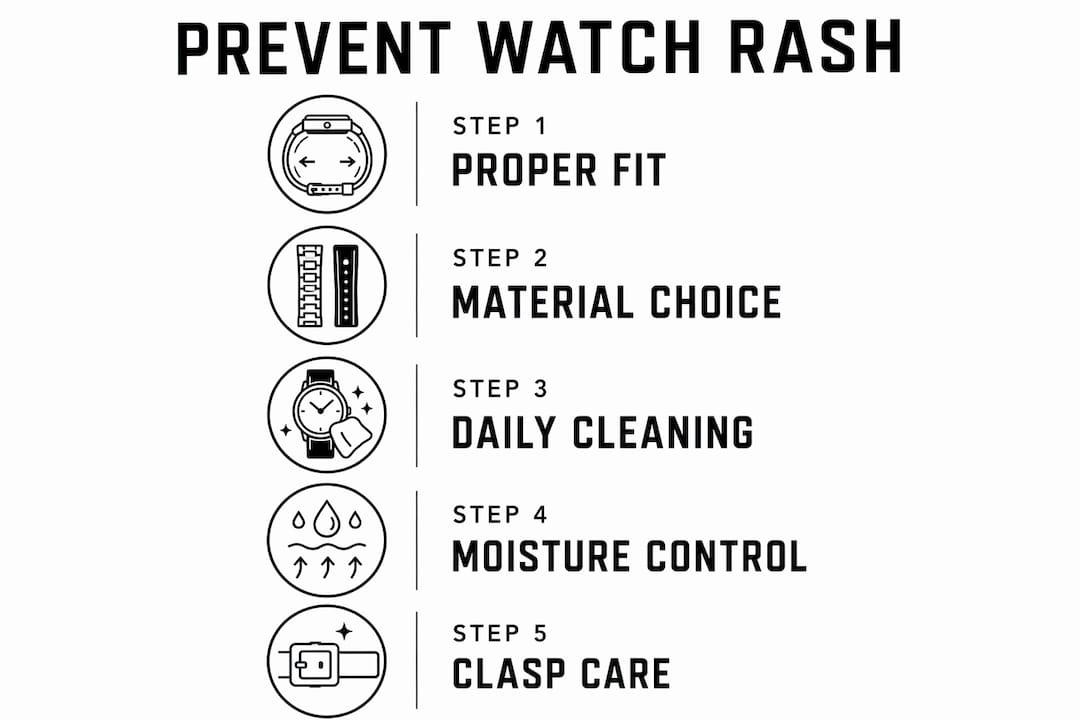
- Wear the right fit. Your watch should be snug but comfortable, with enough room for air to circulate under the band. One finger should slide comfortably between the strap and your wrist.
- Take daily air breaks. Remove your watch daily to give your skin time to breathe and recover from friction and moisture. Short wrist breaks allow skin to breathe and recover from friction and moisture.
- Clean your watch and band regularly. Sweat, lotion, and bacteria build up fast. Rinse the band with mild, fragrance-free soap after workouts and dry it completely before putting it back on.
- Choose hypoallergenic materials. Nickel-free stainless steel, titanium, and breathable textiles reduce the risk of allergic reactions on sensitive skin.
- Never wear your watch too tightly. Visible indentations on your wrist when you remove the watch mean it is too tight. Excess pressure traps moisture and creates friction that irritates skin.
Table of Contents
- How watch fit and band materials affect your skin
- Daily skin and watch care routines that prevent irritation
- When to see a dermatologist about persistent watch rash
- Wynwoodblvd: premium stainless steel watches built for comfort
- Common mistakes that make watch rash worse
- How moisture and sweat under the watch damage your skin
- How your watch clasp and buckle affect skin irritation
- Key Takeaways
How watch fit and band materials affect your skin
Fit and material are the two biggest factors in watch rash prevention. Get both right, and most irritation problems disappear.
A watch that is too tight traps sweat and blocks airflow. One that is too loose slides around and causes abrasive rubbing. The goal is a fit that keeps sensors in contact with your skin without cutting off circulation.
- Silicone and fluoroelastomer bands are non-breathable and prone to trapping sweat and bacteria, creating moisture pockets that irritate skin over time.
- Nickel-free stainless steel, titanium, and breathable textiles are better choices for sensitive skin and reduce the chance of allergic contact dermatitis.
- Buckle-free, stretchy bands eliminate metal contact zones entirely, which helps people with nickel sensitivity avoid flare-ups.
- Rotating between two or more bands limits prolonged exposure to any single material and gives skin a chance to recover.
Pro Tip: Try a 24–48 hour patch test on your inner forearm before committing to a new band material. If redness or itching appears, try a different material before full-day wear.
Daily skin and watch care routines that prevent irritation
Consistent daily habits do more for watch rash prevention than any single product or material swap.
- Clean your watch and band after every workout. Follow the manufacturer’s instructions. Dry all parts fully before putting the watch back on.
- Wash and dry your wrist thoroughly when you remove the watch, especially after sweating. Bacteria and residue left on skin are a primary cause of irritation.
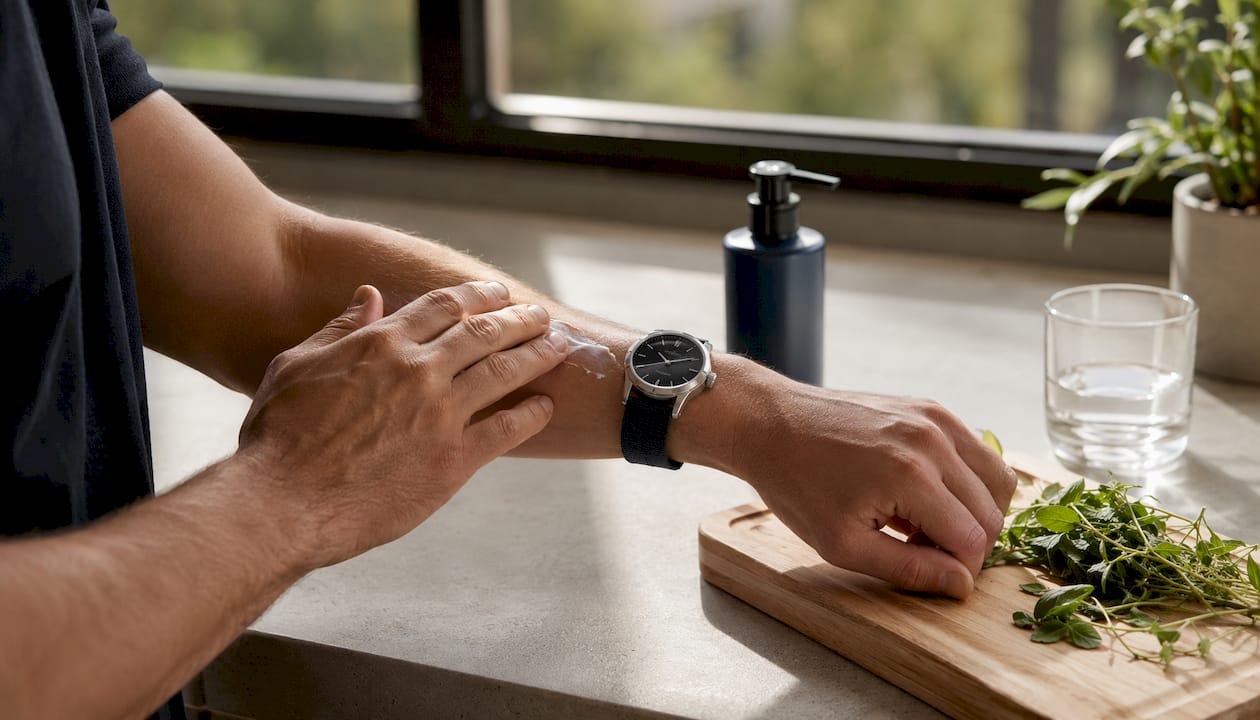
- Use fragrance-free moisturizers on the affected area to restore the skin barrier. Products containing ceramides, glycerin, or petroleum jelly work well. For itchiness, an over-the-counter hydrocortisone cream applied sparingly can help.
- Keep lotion, sunscreen, and soap residue off the watch back and band. These substances interfere with sensor accuracy and irritate skin when trapped under the strap.
- Take the watch off overnight when rash appears. Extended breaks let skin heal without further friction or occlusion.
Pro Tip: Rotating between two clean bands and washing each one between swaps significantly cuts down on bacterial buildup and irritation risk.
When to see a dermatologist about persistent watch rash
Most watch rash clears up with better hygiene and a band swap. Some cases need professional attention.
- Rash lasting 2–4 weeks despite cleaning and proper fit warrants a dermatologist visit to rule out allergy or infection.
- Blistering, swelling, pain, or discharge are signs the skin reaction has progressed beyond simple irritation. See a doctor promptly.
- Allergic contact dermatitis vs. irritant dermatitis: allergic reactions tend to have sharply defined edges and persist even with clean skin; irritant reactions usually improve once the trigger is removed and hygiene improves.
- Avoid antibiotic ointments on watch rash unless a doctor prescribes them. Dermatologists recommend fragrance-free moisturizers and controlled hydrocortisone use instead.
- Try the 48-hour watch-off test. Remove the watch completely for two days. If the rash clears, the cause is likely the band material or poor hygiene, not an underlying condition.
Wynwoodblvd: premium stainless steel watches built for comfort
Wynwoodblvd designs automatic stainless steel watches inspired by Miami and coastal living, with skin comfort built into every material decision.
- All Wynwoodblvd watches use nickel-free stainless steel cases, reducing the risk of metal-related skin reactions for everyday wearers.
- The brand offers custom-branded timepieces for companies, hotels, and lifestyle brands, with options to select band materials and configurations that prioritize skin comfort.
- Direct-to-consumer and B2B models allow for close collaboration on fit, material choice, and packaging, so corporate clients can offer gifts that reflect both quality and care.
- Wynwoodblvd’s blog covers topics like hypoallergenic materials and watch care to help customers make informed decisions about what they wear against their skin.
If you want a watch that looks sharp and sits comfortably on your wrist, explore the Atlantic Blue, Everglades Green, or Sunset Orange collections. For corporate gifting, the B2B custom watch program includes full material and band customization.
Common mistakes that make watch rash worse
Avoiding these errors is just as important as following the right prevention steps.
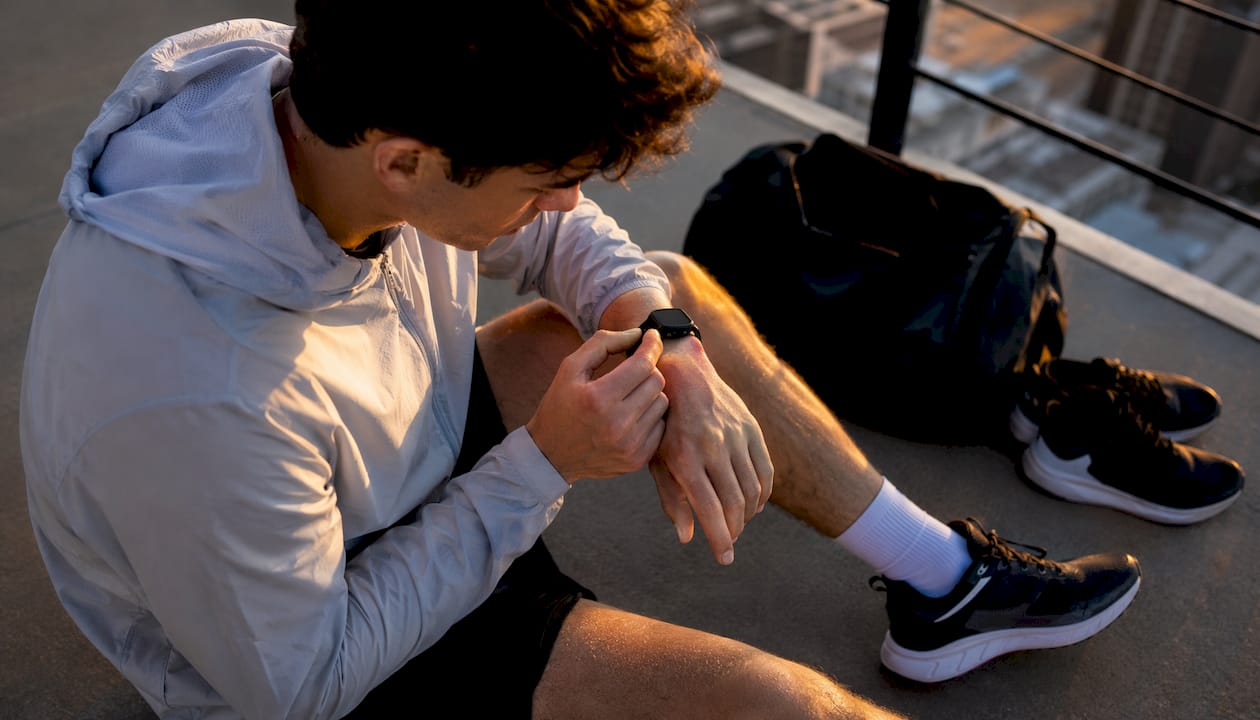
Wearing the watch in the shower is one of the most common mistakes. Soap and hot water accumulate under the band and trigger irritant dermatitis, even on skin that normally tolerates the watch fine.
Applying antibiotic ointment without a diagnosis often worsens inflammation rather than helping. Stick to fragrance-free moisturizers unless a dermatologist says otherwise.
Ignoring early warning signs like slight darkening or dryness under the band leads to full rashes. Chronic low-grade irritation precedes most serious reactions, and catching it early makes a big difference.
Never cleaning the band is another frequent problem. Fitness trackers and smartwatches worn daily need more frequent cleaning than traditional watches. Skipping this step lets bacteria and residue build up quickly.
How moisture and sweat under the watch damage your skin
Sweat trapped under a watch band creates the ideal environment for skin breakdown. Prolonged occlusion, moisture, and friction combine to weaken the skin barrier, a condition sometimes called “watch rot” by skin experts.
During workouts or hot weather, sweat volume increases sharply. Non-breathable bands like silicone hold that moisture against the skin rather than letting it evaporate. The result is maceration, where skin softens and becomes vulnerable to bacteria and friction damage.
The fix is straightforward: loosen the band slightly during exercise, rinse both wrist and band immediately after sweating, and dry everything fully before wearing again. Breathable fabric or textile bands handle moisture significantly better than silicone in high-sweat conditions. For more on maintaining your watch to prevent these issues, the guidance at watch collecting best practices covers band care in practical detail.
How your watch clasp and buckle affect skin irritation
The fastening mechanism on your watch matters more than most people realize. Traditional pin-and-buckle clasps concentrate pressure on a single point of the wrist, which can create localized friction and redness, especially during movement.
Metal buckles and clasps are also a primary source of nickel exposure. Even watches with stainless steel cases sometimes use nickel-containing hardware in the clasp, and that small contact zone is enough to trigger a reaction in sensitive individuals.
Buckle-free designs, including stretchy loop bands and magnetic closures, distribute pressure more evenly across the wrist and remove the metal-on-skin contact point entirely. Deployment clasps on premium watches offer a middle ground: they spread the load more evenly than a pin buckle and tend to stay more securely in place, reducing the sliding friction that causes chafing.
Key Takeaways
Preventing watch rash comes down to three things: the right fit, the right material, and consistent daily cleaning of both your watch and your skin.
| Point | Details |
|---|---|
| Fit is the first fix | A watch that is too tight or too loose causes friction and traps moisture; one finger of clearance is the right guide. |
| Material choice matters | Nickel-free stainless steel, titanium, and breathable textiles reduce allergic reactions compared to silicone or fluoroelastomer. |
| Daily cleaning prevents buildup | Rinse the band with fragrance-free soap after workouts and dry fully before wearing again to stop bacteria from accumulating. |
| Air breaks help skin recover | Removing the watch daily gives your skin time to breathe and recover from friction and moisture. |
| See a dermatologist at 2–4 weeks | Rash persisting beyond 2–4 weeks despite home care needs professional evaluation to rule out allergy or infection. |