Branded Merchandise Ideas That Actually Build Your Brand
The best branded merchandise ideas share one quality: people keep them. Premium hoodies, insulated tumblers, quality tote bags, and custom headwear consistently outperform novelty giveaways because they earn a permanent spot in someone’s daily routine. Many recipients discard cheap novelty items quickly, often within a short period, which means your budget is wasted the moment you prioritize price over utility.
For 2026, the strongest branded merchandise programs focus on four core categories:
- Apparel: Premium hoodies, minimalist tees, embroidered caps
- Tech accessories: Phone cases, wireless chargers, cable organizers
- Drinkware and everyday items: Insulated tumblers, ceramic mugs, reusable tote bags
- Themed swag kits: Wellness bundles, remote work sets, travel kits
The goal is simple: choose products people will actually use, then let the branding follow.
What makes branded merchandise ideas work in 2026
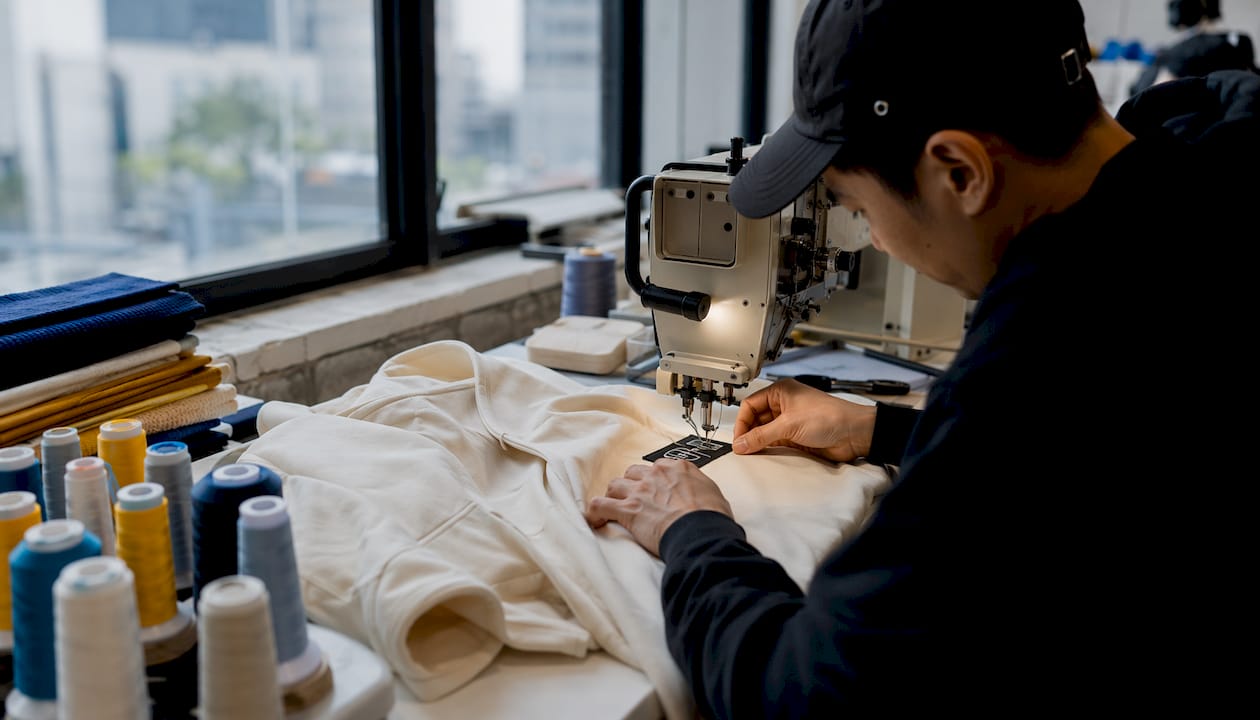
Apparel remains the highest-impact category in any merch program. A well-made hoodie worn on weekends generates more brand impressions than a stack of pens handed out at a trade show. The key is treating apparel as a lifestyle product, not a billboard.
Popular apparel options
- Pullover and zip-up hoodies: The single most requested swag item across every survey. Budget for standard options and heavyweight premium styles varies based on quality and style.
- Premium tees: Heavier-weight blanks with better fits justify higher price points and get worn more often.
- Embroidered caps: Baseball hats, trucker hats, and bucket hats are one-size-fits-most, highly visible, and generate impressions in public spaces.
- Softshell jackets and fleece vests: Premium outerwear communicates real investment in the recipient and gets worn year-round.
- Performance polos: Professional enough for client-facing contexts, comfortable enough for everyday wear.
Minimalist branding with subtle logo placement increases how often recipients wear branded apparel. A small embroidered logo on a sleeve or hem creates lifestyle appeal. A logo that spans the entire chest turns a quality product into a walking billboard most people leave in a drawer.
Brands like Figma, Notion, and OpenAI have built merch lines that people genuinely want to own. Their approach: treat branding as a detail, not the centerpiece. The product quality carries the brand.
Tech accessories and useful everyday items
Tech accessories and drinkware work because they travel. A phone case goes everywhere its owner goes. An insulated tumbler moves from desk to gym to car and back again. That daily repetition is what makes these categories so effective for brand exposure.
Tech accessories worth considering
- Phone cases: A massive market that refreshes every year with new phone models. Design once, sell or distribute for 12+ months.
- Wireless chargers: Desk essentials that stay visible in home offices and workspaces.
- Cable organizers and tech pouches: Compact, practical, and appreciated by anyone who travels for work.
- Laptop sleeves: High perceived value, used daily, and a large surface area for clean branding.
- Portable chargers: Compact enough for event giveaways, useful enough to keep.
Drinkware and everyday carry
- Insulated stainless steel tumblers (20oz): The gold standard of branded drinkware. Laser engraving or screen printing both work well.
- Large insulated tumblers with straws (30–40oz): The hydration trend item, popular for staying hydrated throughout the workday.
- Ceramic coffee mugs: Office desk essentials seen daily by the user and every visitor to their workspace.
- Stainless steel water bottles (24oz): Gym, desk, car. A daily-carry item that puts your brand in constant rotation.
- Reusable tote bags: Moving advertisements that increase brand awareness wherever they go. Higher-quality bags last longer and generate more exposure.
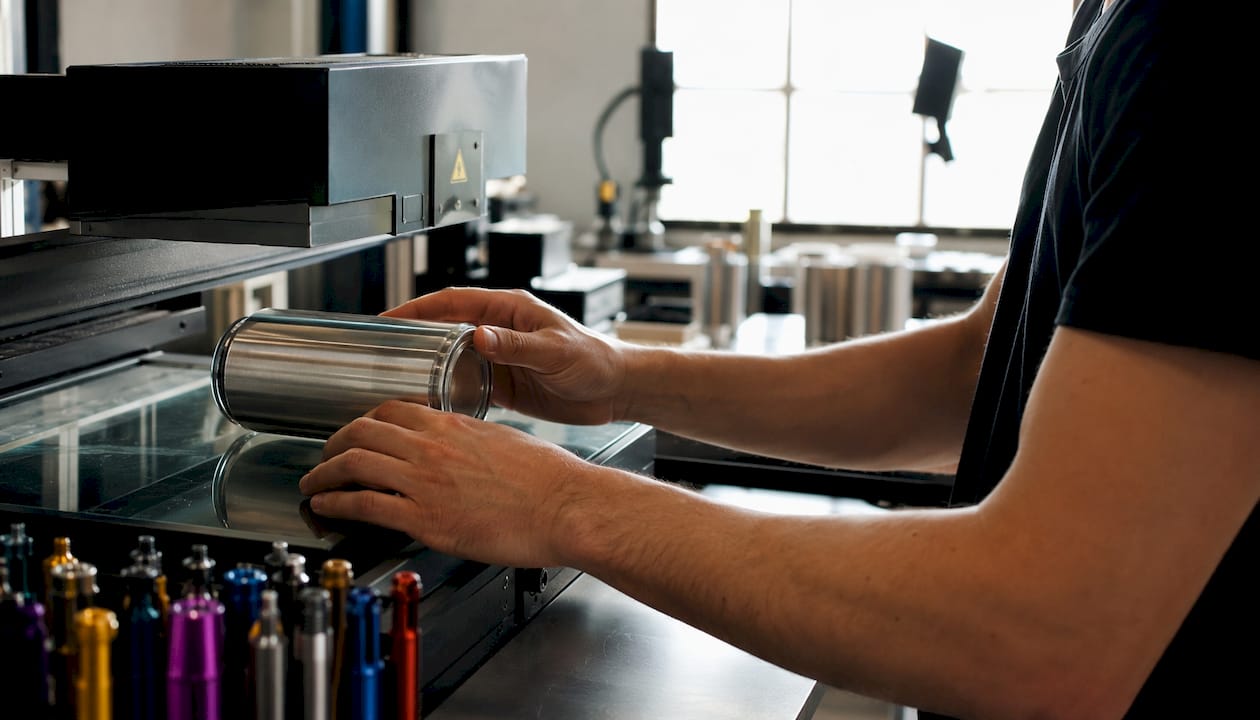
Matching decoration methods to the product matters here. Laser engraving suits drinkware and metal tech accessories. UV printing handles rigid surfaces with full-color detail. Embroidery is the standard for hats and soft goods.
Pro Tip: For drinkware, laser engraving is dishwasher-safe and won’t chip or fade. It’s worth the slight cost premium over screen printing for items that get washed daily.
Creative themed swag kits for 2026 trends
Curated swag kits deliver layered brand exposure because every item in the box reinforces the same message. Top merch lines apply a single design across multiple product types, maximizing reach across different use cases and price points. A kit does that in one package.
Popular kit themes and sample items
- Remote work kit: Branded laptop sleeve, wireless charger, insulated tumbler, quality notebook, and a tech pouch. Kits are typically budgeted within a reasonable range depending on the product selection and quality. This format works well for new hire onboarding.
- Wellness kit: Custom water bottle, branded yoga mat bag, lip balm, hand lotion, and a reusable tote. Resonates with health-conscious audiences and wellness-focused brands.
- Travel kit: Compact toiletry bag, branded luggage tag, portable charger, and a lightweight packable tote. Keep items compact and portable since bulky swag that requires extra effort to transport reduces brand engagement post-event.
- Coffee and desk kit: Ceramic mug, branded notebook, quality pen, and a small desk mat. Affordable, practical, and stays visible in any workspace.
- Premium client gift box: Executive-tier drinkware, a premium hoodie or quarter-zip, and one curated personality item like custom socks or a branded candle. Premium client gifts are budgeted to reflect their perceived value, varying by brand and context.
Digital products are also entering the kit conversation. Design templates, printable planners, and digital art carry 85–95% profit margins with zero reproduction cost, making them a practical complement to physical kits for brands selling direct-to-consumer.
Eco-friendly and sustainable branded merchandise
Sustainability has moved from a nice-to-have to a real purchasing signal. Brands that enhance sustainability in their merch see improved consumer affinity and brand reputation, particularly with younger audiences who actively seek out eco-conscious companies.
Sustainable options to consider
- Reusable canvas tote bags: Screen printing on canvas holds up to heavy use and delivers vibrant color. Custom logo beach bags from suppliers like Beach Bum combine sustainability with bold design.
- Bamboo accessories: Pens, phone stands, and desk organizers made from bamboo communicate environmental values without sacrificing quality.
- Recycled material apparel: Tees and hoodies made from recycled polyester or organic cotton carry a story that resonates with eco-conscious recipients.
- Stainless steel drinkware: Replaces single-use plastic and disposable cups. Every use is a visible brand impression.
- Seed paper products: Business cards, notecards, or bookmarks printed on seed paper that recipients can plant. Memorable and waste-free.
- Reusable produce bags and grocery totes: Practical, sustainable, and used repeatedly in public spaces.
When sourcing sustainable merchandise, verify material claims with your supplier. Vague terms like “eco-friendly” without specifics (recycled content percentage, certifications) undermine the message. Your branding and packaging should reflect the same values as the product itself.
Expert insights on crafting effective branded merchandise
The difference between merch that builds loyalty and merch that gets donated comes down to one principle: utility beats novelty in almost every product category. A premium notebook that lives on a desk for six months creates more brand exposure and goodwill than a novelty gadget tossed in a drawer after one use.
Choose products people will actually use. Prioritize practical daily items for employee programs, portability and immediate usefulness for events, and perceived quality with subtle branding for client gifts. The best corporate gifts land in that narrow zone between memorable and understated.
Leading brands demonstrate this clearly. Notion’s earthy hoodies and tote bags communicate something deliberate about the company’s identity. Figma’s merch store looks like a lifestyle brand, not a freebie table. PostHog’s small lineup of tees, socks, and stickers feels personal and well-designed. None of them lead with a giant logo.
A multi-format distribution strategy extends that thinking across your entire program. One strong design applied across a hoodie, a tumbler, a tote bag, and a phone case reaches different customer segments at different price points without requiring separate creative work.
Operationally, the most effective programs use a hybrid distribution model. Bulk shipping for events and office stock. Direct shipping for remote onboarding and client gifts. Branded storefronts for ongoing programs where recipients choose their own items and sizes. This approach reduces waste, solves the sizing problem for apparel, and gives recipients a sense of ownership that improves satisfaction.
For design execution, build a merchandise-specific brand guide. Include approved logo files for each decoration type: vector files for screen printing, digitized stitch files for embroidery, and single-color versions for laser engraving. Specify minimum logo dimensions by method. This prevents quality inconsistencies across your product line.
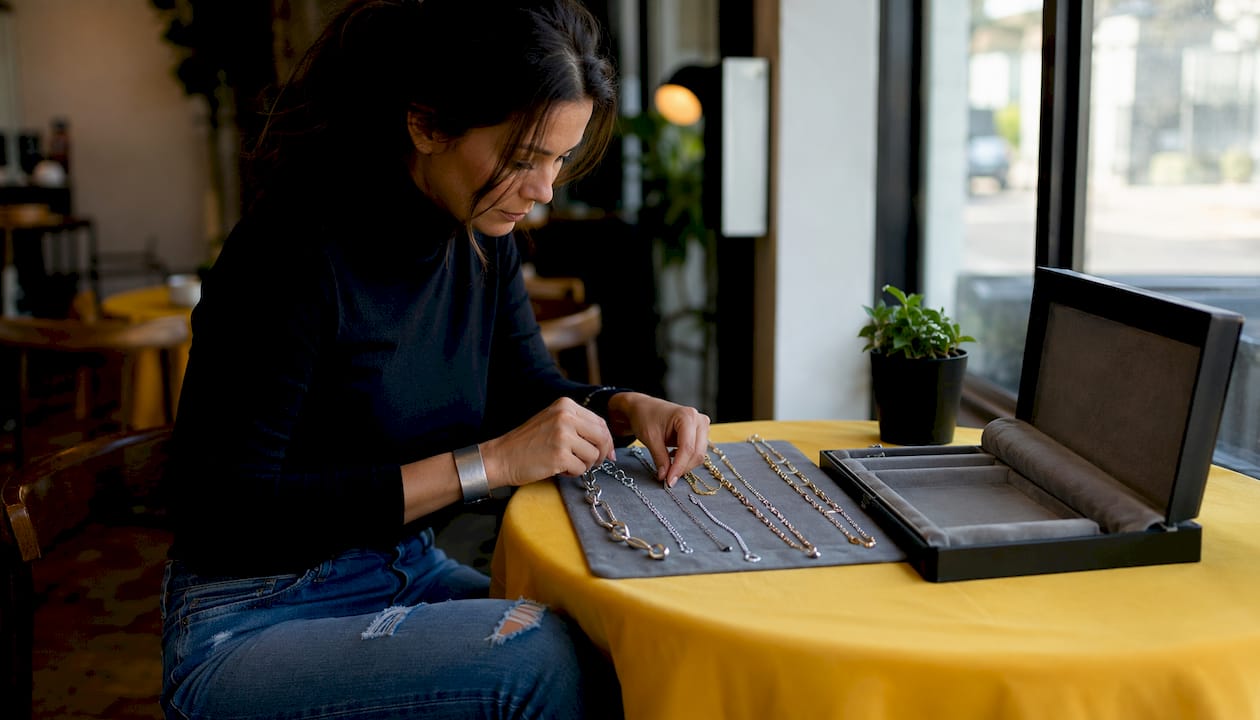
Wynwoodblvd applies this philosophy directly to its custom branded watches and jewelry. Every piece is designed with minimalist precision, a specific color story tied to a real Miami location, and premium stainless steel construction. The result is merchandise that recipients wear because they want to, not because they feel obligated.
Pro Tip: Before finalizing any merch order, ask yourself: would the recipient buy this for themselves? If the honest answer is no, choose a different product.
How to customize merchandise for different audiences and events
The same product can work very differently depending on who receives it and where. Customization is not just about putting your logo on something. It’s about choosing the right product for the right person in the right context.
For employee onboarding kits, prioritize practical daily items: a welcome tee or hoodie, a quality water bottle or tumbler, a branded notebook, and a practical accessory like a tote or tech pouch. For trade show and conference giveaways, compact and immediately useful items win. Tote bags that attendees carry throughout the event, portable chargers, and drinkware that replaces disposable cups all convert booth visitors into brand ambassadors. For client gifts, perceived quality and subtlety matter most. Executive-tier drinkware, premium apparel with restrained branding, or curated gift sets that feel personally selected rather than mass-produced.
Audience demographics shape product choice too. Remote teams benefit from items that ship well as a single unit. Tech-forward audiences respond to wireless chargers and laptop accessories. Wellness-oriented recipients appreciate reusable bottles and self-care items. Matching the product to the person’s actual daily life is what separates memorable merch from generic swag.
How to select high-quality materials and suppliers
Quality is where most merch programs either build or lose credibility. A product that falls apart or feels cheap tells the recipient your company cuts corners. The items worth ordering are ones that meet the quality threshold where people actually want to keep and use them.
Start by requesting samples before committing to a bulk order. Evaluate the weight and feel of apparel, the finish on drinkware, and the durability of decoration methods. For embroidery, check stitch density and thread quality. For laser engraving on drinkware, confirm the mark is dishwasher-safe.
Vet suppliers on three criteria: production quality, minimum order quantities, and turnaround time. Plan 3–5 weeks from order to delivery for most custom merchandise. For events with fixed dates, build in buffer time. Centralize your approved vendor list so every campaign starts from a pre-vetted roster with established pricing, not from scratch.
Decoration method selection affects perceived quality as much as the product itself. Embroidery suits hats, polos, and outerwear. Screen printing works best for larger apparel runs with bold, limited-color designs. Laser engraving creates a permanent, elegant mark on metal and glass. Matching the method to the product and brand context is what makes the final piece feel cohesive.
How to measure the effectiveness and ROI of branded merchandise campaigns
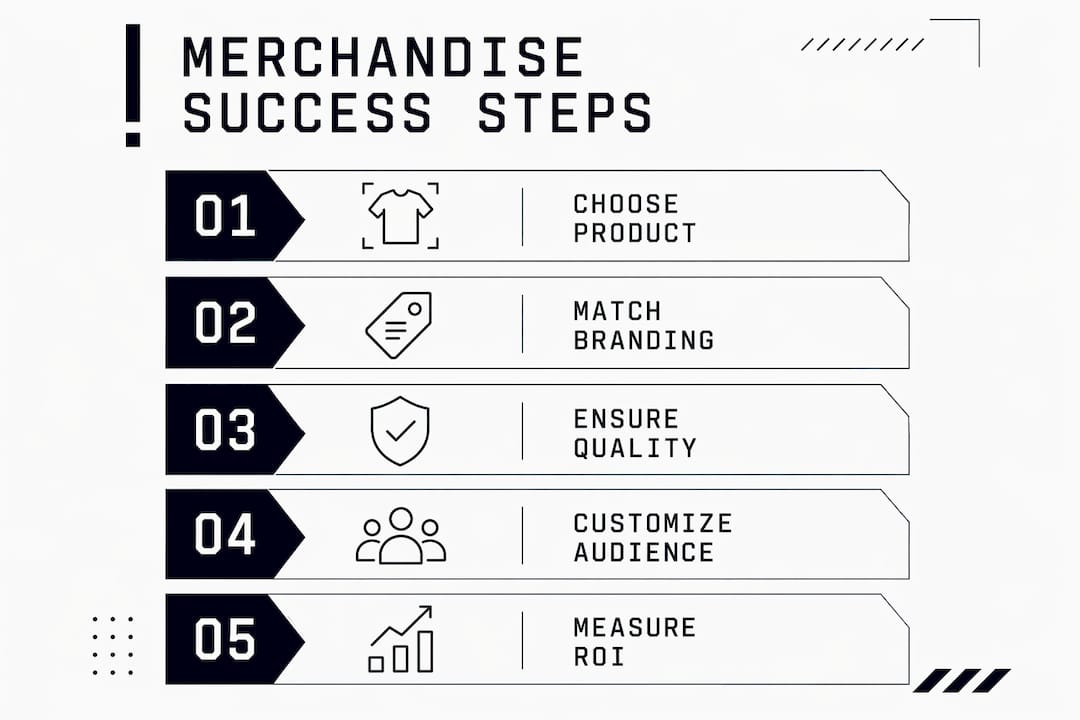
Measuring merch ROI requires defining success before you order. Start by identifying your campaign type: onboarding kit, event activation, client gift, or internal recognition. Each type has different success metrics.
For brand awareness campaigns, track social media mentions, user-generated content, and photo tags featuring your merchandise. For employee programs, measure satisfaction scores before and after kit distribution, and track retention of items at 30 and 90 days. For client gifting, monitor follow-up meeting rates, deal close rates, and repeat purchase behavior in the weeks after delivery.
Cost per impression is a useful benchmark for event merchandise. Divide the total cost of a product by the estimated number of times it will be seen or used over its lifetime. A $30 insulated tumbler used daily for two years generates thousands of impressions at a fraction of a cent each. A $5 stress ball discarded within a month generates almost none.
Track redemption rates if you use a branded storefront model. Low redemption signals a product selection problem. High redemption with positive feedback signals a program worth scaling. The organizations that get the most value from branded merchandise treat it as a system: repeatable, measurable, and continuously improving.
Trends in branded merchandise to watch in 2026
Several clear patterns are shaping what works in branded merchandise right now.
Premium over quantity. Fewer, higher-quality items consistently outperform large quantities of disposable swag. One premium hoodie, a pair of custom socks, and a quality notebook beats a bag of mixed giveaways at any budget level.
Influencer merchandise collaborations. Brands are partnering with creators to co-design limited-edition drops that feel authentic to both audiences. This approach extends reach while lending credibility to the product line. Influencer gifting that includes branded merch has a real chance of appearing in content organically.
Personalization at scale. Branded storefronts let recipients choose their own products, sizes, and sometimes colorways. This model reduces waste, solves sizing problems, and improves satisfaction by giving people a sense of choice.
Lifestyle-adjacent categories. Custom socks, embroidered patches, desk mats, and even branded puzzles are gaining traction because they fit naturally into daily life without feeling promotional. Brands like Perplexity (rugs), Gusto (Crocs), and Coinbase (swimsuits) have pushed into unexpected categories with strong results.
Premium timepieces and jewelry as corporate gifts. Custom branded watches and jewelry are emerging as a high-end alternative to standard swag for client gifting and executive recognition programs. A Miami-inspired automatic watch with logo engraving and custom packaging delivers a level of perceived value that no tumbler or hoodie can match.
Elevate your brand with Wynwoodblvd custom merchandise
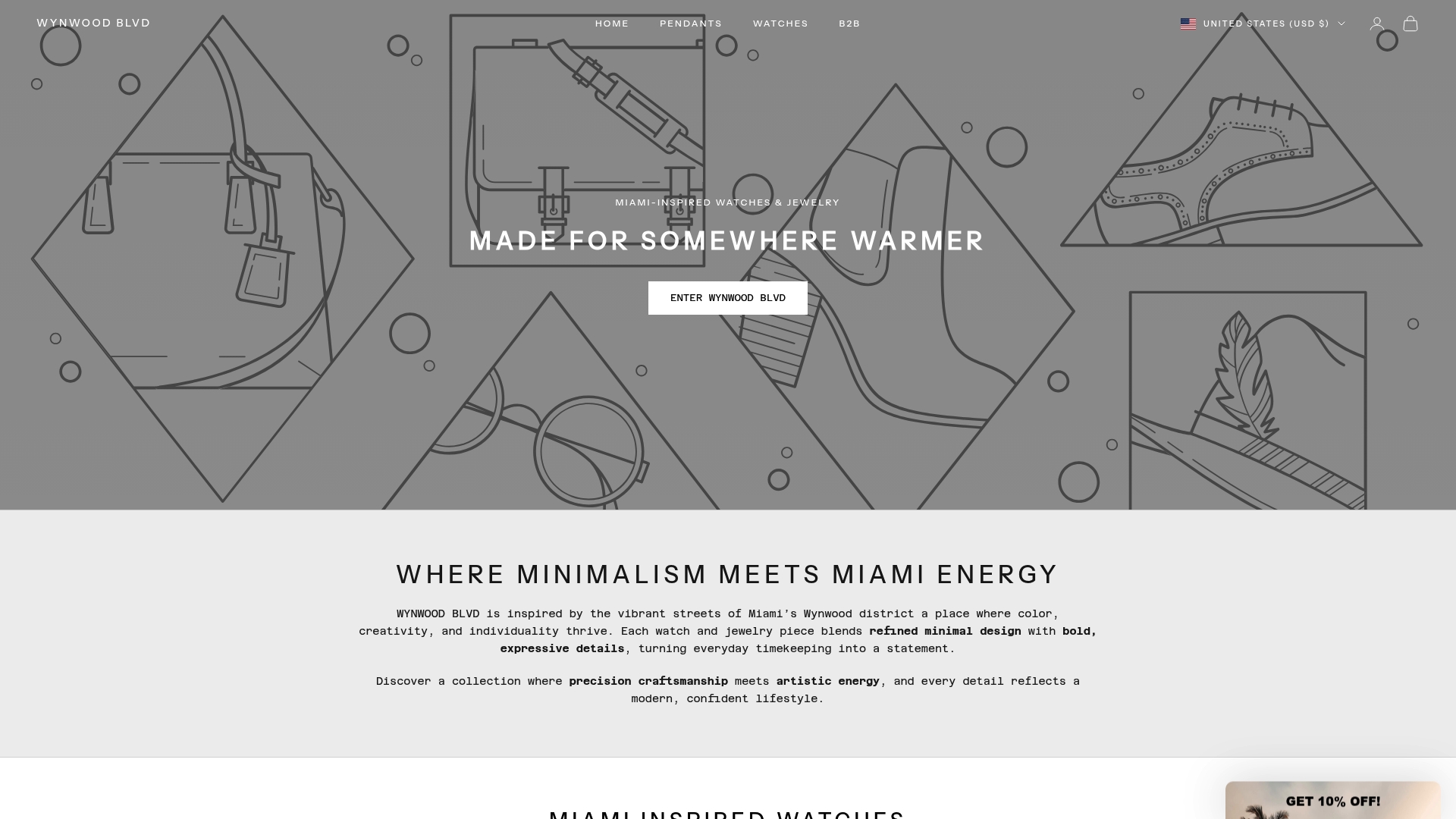
Wynwoodblvd designs premium stainless steel watches and jewelry inspired by Miami, coastal living, and the places that make Florida iconic. Every piece carries a specific color story: the deep blue of the Atlantic, the vivid green of the Everglades, the warm orange of a Miami sunset.
For companies, hotels, real estate brands, influencers, and lifestyle businesses looking for merchandise that stands apart, Wynwoodblvd offers custom branded watches with logo engraving, dial customization, and premium packaging for bulk and corporate orders.
- Atlantic Blue automatic watch: a bold, ocean-inspired timepiece built for corporate gifting
- Everglades Green automatic watch: minimalist design with a distinctive regional identity
- Sunset Orange automatic watch: vibrant and memorable, ideal for lifestyle brands and influencer collaborations
Visit Wynwoodblvd to explore the full collection or inquire about custom branded orders.
Key takeaways
The most effective branded merchandise prioritizes daily utility, subtle branding, and product quality over price, turning recipients into consistent brand ambassadors.
| Point | Details |
|---|---|
| Quality drives retention | Many recipients discard cheap novelty items quickly, often within a short period; invest in products people actually use. |
| Subtle branding outperforms large logos | Small embroidered logos on quality products generate more impressions than oversized prints. |
| Match product to context | Apparel suits team identity; tech accessories and drinkware work better for client gifting. |
| Use hybrid distribution | Combine bulk shipping for events, direct shipping for remote recipients, and storefronts for ongoing programs. |
| Measure before and after | Define success metrics per campaign type and track impressions, redemption rates, and satisfaction scores. |